
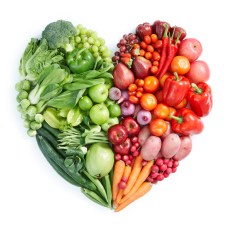
Diet and Crohn’s
Anyone with IBD knows that diet is everything. Whilst we need to debunk the myth that certain foods cause inflammation, it is undeniable that certain foods trigger symptoms. Because Crohn’s is such an unpredictable and individualised disease, annoyingly there is no “one size fits all” diet and food triggers vary massively from person to person. Baring that in mind, this post does not aim to instruct, simply to share what I can and do eat, and what I avoid like the plague as I personally find it interesting reading about other’s people’s diets myself- it’s all an education.
When I was first diagnosed, I did an exclusive liquid diet for 6 weeks (well, it ended up going on significantly longer than that but…) and then went through the gruelling process of food re-introduction via a list given to me by my dietician at the time. I noted any symptoms I had after trying a new food every couple of days to test my tolerance and formulate a good diet plan. However, like most things, my “intolerances” seemed to have changed greatly with time. I think perhaps it’s because when I was first diagnosed and did EEN (Exclusive Enteral Nutrition), the problems were still quite “fresh” i.e. the liquid diet was able to sooth the active inflammation and for a while I was able to eat basically whatever I wanted. Sure, there was the odd mishap, but reading back through my childhood journal 8 years on, I am astounded at some of things I used to eat. Curry, chilli prawns, hot chocolate fudge cake- oh my! Any one of those would KILL me nowadays. But it’s been 8 years and Crohn’s is a progressive disease. Over time, inflammation causes scar tissue, you develop strictures or abscesses and the issues start to build up, whilst the extent of your diet crumbles down.
And that’s not the only issue. After my first major flare up and several bad experiences with certain foods, I ended eliminating so much from my diet that I basically lived on chicken goujons, mashed potato (or those cute potato smiles! 😊) and tomato pasta for over a year as I was scared at the thought of triggering my symptoms and ending up back in hospital. But in the last two years, I’ve really made an effort to try and expand my diet again and test the waters, with some surprising results!
So, for the purpose of this post, I will divide foods into three categories: 1) Foods I avoid like the plague, 2) Foods I tolerate well and eat regularly, and 3) Foods that I’ve tried but I’m unsure about. Obviously I can’t list every food on the planet, so I’ll just try my best to think of a good lot!
Foods I avoid like the plague:
Spicy food
(I can tolerate most herbs fresh/ dried, but the only “spices” in my diet are cinnamon (I LOVE cinnamon on everything from toast to honey chicken), ginger (known for its anti-inflammatory properties), ground mixed/ black pepper (especially on carbonara!) and sometimes a bit of nutmeg. I can’t remember the year of my last curry, but it did NOT go down well.
Dairy
Now I’m perhaps a little strange in this department. I have never had a problem with ice-cream at all, or butter. Maybe it’s the way they’re processed? But dairy milk, yoghurt or cheese are absolute no-goes. Instead I use almond/ hazelnut/ soya milk, lactose free fromage frais and lactose free cheddar/ mozzarella. I’ve heard that aged hard cheeses like parmesan or pecorino are sometimes well-tolerated by people with lactose intolerance, but I’d rather be safe than sorry!
Most fruits
Oh, how I crave some fresh watermelon or strawberries on a hot summer’s day. But my stomach simply won’t allow it. Fruit is an area where I really struggle. Anything citrusy, tropical, sour or fibrous and anything with skin or seeds is a no-go for me unfortunately. Though, I may experiment with cooked apple/ pear at some point- I hear some people find this easier to digest- but only if I’m brave enough!
Raw vegetables
Luckily I do eat quite a lot of veg (minus aubergine/ eggplant and courgette, mainly because I don’t like them one bit!). But rarely raw. I was always warned about leafy greens not breaking down properly, but this year I tried my first bit of lettuce and had no issues at all! I then started eating salads with raw rocket/ lettuce, raw cherry tomatoes and cucumber- all of which went down fine. I think it’s more fibrous vegetables that cause issues when eaten raw i.e. celery/ carrot, so I only eat these cooked.
Alcohol and Caffeine
Now I’ve actually never really tried either to be honest, but alcohol especially can be problematic for people with Crohn’s. It can act as a trigger in its own right and can even alter the effectiveness of certain medications. Not to mention the fact that I’ve had problems with my liver in the past and don’t want to aggravate this.
Greasy foods
This is a big one. For years now I have been cooking EVERYTHING for myself. You name it, I probably make it from scratch. Every time I ever ate out, from a fast food place to a fancy restaurant, even if what I order seemed edible (which is rare as I could only ever find about 1 thing that I could order), if the way it was cooked/ prepared involved too much fat or grease, then of to the toilet I went. Everything has to be fresh, fresh, fresh. And if I use oil to cook with, it’s a small amount of extra virgin olive oil or sesame oil- both of which have health benefits. P.S. Strictly NO batter or deep frying allowed.
Beans, Lentils and Pulses
So, this is pretty obvious if you have digestive issues. Bye bye baked beans. ☹ The fibre in these is a real turn off for my stomach.
Shellfish
Shellfish is another thing that I was always warned about given their “dirty” nature i.e. many are scavengers which may mean they carry harmful bacteria. I also had a bad experience one Christmas with a coconut tempura prawn… Which leads me nicely on to the miscellaneous foods that I avoid…
Coconut, cod, Brussel sprouts, cauliflower, sweetcorn, beetroot…
These are all pretty random, but it’s all about trial and error when it comes to finding a diet that your Crohn’s will tolerate. Just a note- I mainly avoid beetroot because it can make you think you are bleeding when you’re not, which just complicates everything! And sweetcorn is also notoriously difficult to digest for even the healthiest tummy!
Rich foods/ too much sugar
This can be true of anyone, whether they have Crohn’s or not. But pigging out on a sugar fest is probably not a good idea when your digestive system is already sensitive. Give it a break! I definitely used to feel pretty shocking after eating too many chocolate-covered digestives, so I cut out most store-bought/ processed/ sugary foods over a year ago now and it has definitely benefited me- and I don’t miss them at all.
Foods I tolerate well and eat regularly:
Meat and fish: chicken, pork, beef, steak, turkey, lamb, ham/ Porchetta (and the odd cheeky bit of pancetta in moderation), salmon (smoked, tinned or fresh), tuna (tinned or fresh), sea bass, anchovies
Other protein: eggs, soya/ almond/ hazelnut milk, lactose free cheddar/ mozzarella, soya yoghurt, most nuts, sesame seeds (sometimes in stir fries or Asian dishes)
All carbohydrates: a mix of wholegrains and white products, generally without seeds i.e. bread (white loaf, white tortillas, wholegrain pittas, burger buns without seeds etc.), granola, potatoes, basmati rice, all kinds of noodles (egg, rice, soba, udon), wholegrain nut cereal, rolled oats, white pasta, gnocchi, quinoa, rice cakes
Fruit: grapes, blueberries, bananas (unfortunately that’s it)
Vegetables: carrots (cooked), broccoli, peas, rocket (a.k.a. arugula), spinach, lettuce (little gem), bok choy, cucumber, tomatoes (canned, sun-dried or fresh cherry tomatoes and passata), bell pepper, asparagus, mushrooms, baby corn, onions, shallots, spring onions, green beans
Spices and herbs: garlic, chives, ginger, cinnamon, nutmeg, sage, rosemary, basil, parsley, marjoram, thyme, oregano, Italian herb blend
Condiments and dips: (organic) honey, maple syrup, (low fat) hummus, soy sauce, ketchup, (organic) peanut/ almond butter, Chinese rice wine, white wine vinegar, chocolate sauce, tahini
Sweet treats: ice cream, dairy free chocolate eclairs or almond croissant (only very occasionally as a treat!)
Extras: olive oil, sesame oil, nori (seaweed- only in dried crisp form), flaxseed, chia seeds, gravy granules, stock cubes, lentil crisps, chocolate chips, cocoa nibs
That is a general summary of my usual diet, though I may have forgotten a few things!
Foods that I’ve tried but I’m unsure about (i.e. I had some symptoms after eating these but couldn’t easily pin them down):
Jasmine rice, some Asian mushrooms, leek, edamame, mint jelly, rainbow trout, smoked mackerel, tartare sauce, mayonnaise, dairy free yogurt with added probiotic/ live cultures, vegan coconut oil cheese, wholegrain pasta, brown rice
So, there you have it! By all means use this as inspiration for your own dietary experiments but remember not to be disheartened if you have a few hiccups. Not everything will agree with you (unless you are INCREDIBLY lucky and superhuman!).
Some tips for trying new foods:
- Only try one new food at a time, otherwise it will be unclear what effect that food has had on your system.
- If you can, try the new food at home. You’ll know exactly what you’re eating, and you’ll be in a safe space should there be any issues.
- Start with small amounts of that food and build it up over time, that way if it doesn’t agree with you, you could potentially avoid a complete disaster!
- If a food seems to be tolerated by your digestive system, try it several times to be certain before adding it to your diet permanently.
- If you’re unsure, try the food again at a later date and compare it to how you felt first time, that way you can remove the effect of other variables.
- RECORD EVERYTHING- whether it’s a list on your phone or a full-on food diary, it’s important to keep track of how different foods make you feel.
- Somewhat rather obviously, don’t try a bunch of new foods whilst you’re in a flare. It won’t be a true reflection of what you would normally be able to digest- it will just seem like everything disagrees with you!
- If you need some guidance, you could try a more structured plan like the low FODMAP approach, or speak to a dietician.
- And perhaps most importantly of all, try not to be put off or pressured by other people about specific foods. Everyone is so different that their diets can be polar opposites- find what works for YOU.
Happy experimenting!
 Me and My Crohn's
One thought on “My Diet: What I Eat and Avoid.”