
Anyone who has ever experienced a relapse of their IBD will at some point have asked themselves the big question: “what should I eat?” When your symptoms flare up your appetite normally goes down, but it is important to try and give your body nutrients, particularly if you are experiencing vomiting or diarrhoea. But what are some of the best things to eat during a flare? Here I will discuss some of the approaches to food in a flare up that I have tried in the past.
1. The “safe foods” diet
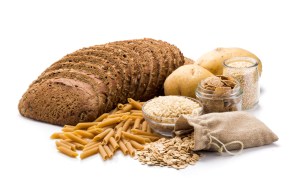
A natural response of anyone having stomach issues is to eat bland, low fibre foods. Yes, that’s right: carbs, carbs, carbs. Although eating carbohydrates in high quantities isn’t generally recommended, for Crohn’s sufferers they can be lifesavers. Potatoes, white bread, pasta and rice are all staples when I am going through a rough patch. I also opt for lean meats like chicken or plain grilled fish such as salmon because I know I can digest these well. Occasionally I will have some dairy free yoghurt or a plain pastry like a croissant if I fancy something sweet. As for fruits and vegetables, ripe bananas or well-cooked carrots are usually okay for me but that’s about it, though I know many people say apple sauce is okay for them too. Remember, everyone has their own repertoire of “safe foods” and this can vary greatly.
Tip: Try to minimise the amount of oil you consume during a flare as this can aggravate your symptoms more. Bake, steam or grill proteins instead of frying. I also find that too much sugar aggravates an already sensitive tummy, so reduce this as well if you can.
This is the kind of “safe” diet I would automatically retreat to if things started to get a little dodgy back in the earlier years of my Crohn’s. Sometimes I was even lucky enough that if I’d eaten something that didn’t agree with me, a couple of days of plain stodge would put things right again. But unfortunately, almost ten years of disease has taken its toll and now things aren’t quite so simple, which brings us to approach number 2.
2. The soft foods/ liquid diet
Now, I’m not talking about EEN (exclusive enteral nutrition). I am talking about only eating foods that are entirely or partially liquid in form. This can be anything from blended soups and the classic bone broth (we used to make huge batches of chicken broth using the leftover carcases from our local butcher), to yoghurt, ice cream and pureed veggies. The logic is that if the food you consume is already partially broken down, it is far easier to digest when your system is having a tough time. Just imagine your digestive system is like a baby’s- it needs a little help! The only issue is knowing where to draw the line between liquid and solid- I must admit that at times I found myself trying to justify peanut butter as a liquid because I had a craving for it!
Tip: If I am flaring in hot weather (which happens a lot as the heat doesn’t do me any good at all), I sometimes freeze fruit squash into ice lolly moulds. It’s a great way to cool down and boost your fluid intake as well as feeling like you’re enjoying a relatively normal summer treat!
But as many Crohnies will know, sometimes even this approach isn’t enough to relieve symptoms. In this event, EEN may be suggested to you by your IBD doctor. However, there are many circumstances which may mean that this is not feasible i.e. you can’t tolerate it (an issue I have had whilst trying to do EEN on antibiotics), or you are not allowed to do it exclusively (an issue I had whilst enrolling in a clinical trial).
Tip: If for any reason you cannot do an exclusive liquid diet, you may be able to do a partial one. This would mean combining some food with supplement drinks. This prevents you from losing too much weight and replaces some of the essential nutrients that you’ve likely lost.
Otherwise, without further ado, I give you approach number 3.
3. The “nothing’s making any difference so what the hell” approach
In really bad flares I have found that the above two diets have had relatively little effect at all, other than making me miserable. Even EEN has recently not had the miraculous impact on my symptoms that it used to, likely due to scarring and the severity of my disease progression. In these situations, I have thought “sod it” and resorted to eating basically whatever the heck I want in order to at least keep my mind and palate happy! I mean, I don’t go nuts and eat a curry or anything, I just eat within the realms of what my “normal” diet would allow (I wrote another post about this if you want to see what I can tolerate when I’m well).
What a lot of people don’t realise is that people with Crohn’s (and Colitis for that matter) end up spending a lot of time alone at home during a flare and it can be lonely, not to mention boring. I personally really enjoy cooking. I find it very therapeutic and I really miss not being able cook when I’m on a liquid diet. Plus, I have always been someone who appreciates food a LOT (even though it doesn’t seem to like me very much…). Therefore, if I’m down and my flare is so bad that no amount of restrictive or “safe” dieting is having an effect, I have been known to just “power through” (if I’m physically able that is) and carry on cooking and eating normally anyway. Regardless of how poorly I feel, I look forward to meals and it may sound silly, but it really helps me get through the endless days of terrible symptoms. So, though I don’t advocate the trap of emotional eating as this can become unhealthy, I would say that there is nothing wrong with taking some pleasure in a lovely hot plate of spag bol when you’re having a bad flare day. 😊 Plus, its better to eat whatever you want than to eat nothing at all, you have to get nourishment from somewhere after all!
So, there you have it, my three main approaches to tackling food in a flare. But, which one is best? Honestly, this depends on the severity of the flare and even then, there rarely is a “right” answer when it comes to dealing with Crohn’s or Colitis. Personally, the “safe foods” approach was my go-to in the early stages of my disease, but now it’s basically redundant. The partial liquid diet can be useful for short periods of time, but generally this isn’t enough for me I end up on EEN anyway if my situation allows it; it is by far the best way to prevent extreme weight loss and malnutrition. But, inevitably at some point you will probably find yourself doing approach number 3, though this isn’t exactly ideal either.
At the end of the day it’s up to you to decide how bad your symptoms are and figure out through trial and error which diet benefits you the most during a relapse. Just be aware that this may change over time and if in doubt, talk to your doctor or dietician. And remember, your mood and mental health are just as important as your physical health. Sometimes having that cheeky croissant may actually help rather than hinder you!
 Me and My Crohn's