The Crisis in Hospital Cancellations: How to Cope with Being Let Down.

cancelled-sign-clipart-1.jpg

My experiences

On Friday I was scheduled to have a life-changing operation for which I had been waiting for months. Since March 2018, I’ve had by far the worst flare up I’ve ever experienced and several months ago I officially ran out of treatments. With my list of complications quickly growing and my physical state declining, I was told that most conventional surgeries for Crohn’s Disease would not help me, so it was decided that I needed a total pan proctocolectomy. Obviously this news was a big deal and I spent ages mentally and emotionally preparing myself for the fact that October 18th was the day that everything would change, that it could be the start of a new chapter of my life.

My mum and I live a fair distance from my hospital in London, so we paid to stay in hospital accommodation the night before my surgery so that I could do my bowel prep without having to sit in the car for too long afterwards. We arrived at the accommodation around midday and unpacked. I then spent that entire night in agonising pain and discomfort to prepare my body for surgery the next day. I then had to get up at around 4:30am so that I would have time to shower and get myself ready to be at the clinic by 7am.

We got there on time and, after an hour or so of waiting, I began the long list of pre-surgery meetings. First was the anaesthetist who explained the surgical risks and what to expect when I woke up, then my surgeon’s registrar who outlined the surgery and got me to sign all the consent forms, then a ward doctor who took my bloods, then a nurse who filled out a long admissions questionnaire, then another nurse who got me to take a pregnancy test, then one of my consultants who explained and signed me up for a research study involving my removed colon and finally, a stoma nurse who marked up my stomach for ileostomy sites. It was really happening. After months of waiting impatiently for this day, I felt ironically like it had crept up on me somewhat.

Having been separated from my parents, I sat alone waiting for about 4-5 hours contemplating everything that I was about to go through and making my little wishes that it would all go smoothly and that I would get through this. I had just put my headphones in, thinking that some relaxing music would help to calm me down, when my surgeon’s registrar reappeared. She told me that we had been waiting for a bed on the intensive care ward to become available but that none had and as a result, they wouldn’t be able to do my surgery today. I almost didn’t hear her at first. It was like my head took a second to catch up with my ears and I was completely blind sighted. Was this really happening?

She half-heartedly apologised and just kind of stared at me, as if she was waiting for some kind of reaction. I mean, what was I supposed to say? That moment was a bit of a blur to be honest, but I think “Are you kidding me?” probably slipped out. I then asked her what I was supposed to do now, and she just said that they would try and re-book me for next week, but that there was no guarantee that this wouldn’t happen again. She then quite briskly left me sitting on the bed, wondering what on earth had just happened. Was I just supposed to leave then? My parents had assumed that I’d already been taken down to surgery by this time, so I spent a good few minutes trying to overcome the awful signal in the hospital to phone them and tell them to come all the way back and get me.

Naturally, as the person who accompanies me to all my appointments and supports me through whatever my health entails, my mum was absolutely furious. I was just holding it together and keeping back the tears until I heard her walk down the corridor and start having a go at just about anyone she passed about how unwell I was and how unfair it was that they could do this to me. She then demanded that the registrar come back upstairs to talk to us, but we were just told the same thing that I had already heard and that if we would like to complain about the service, we could write a complaint card and put it in the box on the front desk with the others. Great. I didn’t say much in this conversation, at this point I really just wanted to leave. And that was that. We went back to the accommodation, re-packed everything we had un-packed the night before, waited for my dad to bring the car, re-loaded the car and I had to wait another 2- 2 ½ hours for us to get home again so that I had access to my Fresubin and could re-start the liquid diet that I thought I’d finally be shot of by then.

Once the dust had settled and I was back at home, I soon realised that I didn’t have enough Fresubin to last me until the revised surgery date given that I hadn’t ordered any more as I was under the impression that Thursday 17th October would be my last day taking it. My mum then had to rush to the pharmacy and put in an emergency prescription before calling up the accommodation owner in London and re-paying for us to stay the following week. We also had to re-arrange all the plans we had made for my dog to be looked after so that my mum could stay in London and be close by while I was recovering. As we speak it has been 4 days since I did the bowel prep (for no reason at all) and my system still hasn’t got over the effects. And all this trouble because there were no beds. I know it isn’t the ward staff’s fault that things like this happen, but no one seems to take responsibility or realise the real impact that cancellations have on patients, both physically and emotionally.

This wasn’t the first time it happened to me either. From December to late February I went through the very long and draining process of enrolling onto a clinical trial for Risankinumab. This seemed to be the only viable drug treatment left for me to try, so when I finally got given a date for my first infusion, I was over the moon. I had done everything the research team asked; I’d gone unmedicated for several months (which made me 100 x more unwell and removed my ability to walk yet again by bringing back my arthritis and erythema nodosum), I’d had all the scans, procedures and colonoscopies they wanted, I’d kept a daily patient diary for several months, I’d attended a whole array of appointments and I’d frequently had to starve myself for 4 days at a time to travel to London because my symptoms were so bad.

Nonetheless, when my mum and I drove all the way over there on the morning of the infusion, we waited for a couple of hours before receiving a phone call -of all things- telling us that they were “sorry” but the only person authorised to do the infusion was actually on holiday, so it would have to be rescheduled and I would have to do it all over again in a week or two. Seriously!? On holiday!? And nobody thought to check!? Then in another few months I had to wait alone for over 9 hours until I was taken down to theatre for my fistula surgery and I was told that they almost had to cancel that too, even though I was an urgent case and at a very high risk of septicaemia if made to wait any longer.

The facts

Unfortunately, situations like this seem to happen far too often and can be really devastating for patients and their families who have anticipated and prepared for something crucial to the health of the patient to be done. I did some research into the issue and found a 7-day snapshot study led by Professor Ramani Moonesinghe in 2017. Of 26,171 inpatient operations scheduled for between March 21st and March 27th of 2018, 3,724 were found to be cancelled or postponed on the day of surgery (Royal College of Anaesthetists, 2017).

Furthermore, in the first three months of 2018, approximately 25,475 operations were cancelled on the day of the procedure in England alone, the worst figure in recorded history (Independent, 2018). Subsequent reviews have found that patients requiring major surgery with overnight stays and those who require critical care beds (that would be me) are more likely to experience cancellations, with a lack of available ward beds being one of the biggest causes. I was also interested to discover that the UK has fewer hospital beds than many other comparable high-and middle-income countries which is a leading factor in this health service crisis (Independent, 2018).

How to cope if it happens to you

Even more unfortunate than these staggering figures is that patients often feel powerless in these circumstances. So, here are a few things to bear in mind if you fall victim to a cancellation. First of all, don’t just blindly accept that something has been cancelled without getting a reason. If they are going to cancel your appointment, surgery or treatment, (politely) demand to know why. It might even be a misunderstanding and if you ask about it and speak to the right person, it may well be sorted out on the day and resolved before you angrily storm out of the hospital.

Secondly, if whatever’s been cancelled is pretty major like a treatment or surgery, make sure you do complain. I know it can seem like no one is even remotely interested in your care in situations like this and it will take up even more of your time, but if no one ever complains about unacceptable standards of care, then nothing will ever change. Fill out a complain card, complete an NHS complaint form and try and get in touch with whoever’s in charge to discuss why you aren’t satisfied.

It’s also really important to know your rights. When an appointment is cancelled for clinical reasons i.e. you aren’t fit for surgery or new medical concerns arise, this is deemed “valid” by the NHS. If it is cancelled for a non-clinical reason, the NHS provides a list of these which it deems “valid”, including emergency situations or a lack of available beds like in my case. In this instance, the procedure or appointment should be re-booked within 28 days of the cancellation. You can read up on your rights regarding cancelled surgeries via the following link: https://www.nhs.uk/common-health-questions/nhs-services-and-treatments/what-if-my-nhs-surgery-or-operation-is-cancelled-at-the-last-minute/.

As for dealing with the issue mentally and emotionally, I know how difficult this can be. You will probably feel a combination of disappointment, devastation, annoyance, anger, abandonment and impatience. It can be hard to know exactly how to react when you are given bad news like a cancellation, especially because patients (particularly on the NHS) tend to feel like they should be grateful for getting any free care and that if they show anger, they will simply be labelled the “difficult” patient. I personally resent this; just because we don’t pay for all our treatments and surgeries, it doesn’t mean that we should have to settle for sub-standard care.

But having said that, although there is certainly no shame in being upset, it is best to keep a clear head if you can. In my case, I knew if I carried on crying it would only make me feel worse and I didn’t want to sulk for the rest of the day. Plus, getting angry won’t solve the problem if it’s out of your hands and it may even make matters worse as staff may not fully listen to your point of view. What’s more, when you’re seeing red it’s very easy to lose sight of what you should be asking and finding out, like the new date of your re-scheduled procedure, where to go and how to prepare etc. And remember, it isn’t the ward staff’s fault, so don’t shoot the messenger! I would suggest taking a minute to compose yourself and gather your thoughts before seeking out the appropriate staff member and asking everything you need to know.

The most important thing is to constantly remind yourself of the big picture. When my surgery was cancelled, I was so caught up in the moment and the idea that my hospital had let me down that I lost sight of the fact that a one week delay probably wasn’t going to impact my recovery in the long run. I’d been living in this state of ill-health for over 9 months, I could survive another week. This doesn’t justify anything; I don’t think anyone deserves to have their appointment cancelled, no matter how urgent it is. But what it does do is help me accept the reality of the situation; that as soon as I’ve had my operation, I will no longer be thinking about how annoyed I was that it was delayed by a week, but instead that I am now hopefully on the road to recovery.

It’s all about perspective, just remind yourself that in the long run, a short delay isn’t going to make much difference to you and soon enough it will be a distant memory. Don’t give up hope and definitely don’t loose faith in your surgeons or doctors, in most cases they have absolutely nothing to do with cancellations and are just as inconvenienced and gutted as you are. I know for a fact that my surgeon was down in theatre ready to operate and waited roughly the same amount of time that I did before being told that it wasn’t going ahead. My consultant also emailed me immediately to apologise and let me know how upset she was for me. So, although it is challenging, try not to take cancellations personally. Keep your chin up and your fingers crossed that it will go ahead as soon as possible.

Have you had an operation or procedure cancelled? Comment below to share your story.
An Inside Look at My Grocery List: Healthy Eating with Crohn’s Disease.

supermarket-building-clipart-grocery-clipart-black-and-white-grocery-store-clipart-640x828

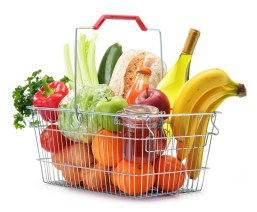
Seeing as if all goes to plan I will be getting my permanent stoma next week, I thought I’d do a fun little post revealing what’s on my current grocery list before my diet changes to adapt to ileostomy life. When a lot of people are diagnosed with IBD, they fear that they will no longer be able to eat anything they like and will be forced to eat only white carbs for the rest of their lives. Obviously, as I’ve said 1000 times, everyone is different. However, if you are suffering from IBD, hopefully my grocery list will reassure you that eating with IBD doesn’t have to boring and unhealthy. Sure, I have quite a few dietary restrictions due to my Crohn’s, but after a while these became natural and I certainly don’t find them unmanageable in daily life.

I’ve colour coordinated and alphabetised each section on my list so it’s super easy to follow. I find having an organised list particularly useful when I go shopping. We’ve all been there; we go to the grocery store thinking we know exactly what we need, but we immediately get distracted by the 1/2 price Ben and Jerry’s or the smell of the fresh pastries cooking and we end up buying a bunch of miscellaneous (and rather unhealthy) items rather than what we actually wanted in the first place. Having a list gives you a clear goal for your shop, prevents you from forgetting anything and encourages you to stick to healthier options, whilst also reducing your grocery costs by removing the temptation to purchase all those unnecessary “extras”.

So, without further ado, I give you my food shopping list!  Just bear in mind that I obviously don’t buy all these items every single week, just the things I need. It also doesn’t include “special” grocery items which I only buy on occasion for a particular recipe. Enjoy!

My Crohn’s Friendly Grocery List:

Fruit and Veggies:

Asparagus, baby corn, baby spinach, bananas, bell peppers (red + orange), blueberries, bok choy, broccoli, butternut squash, carrots, cherry tomatoes, chives, cucumber, edamame, garlic, grapes (red + seedless), green beans, lettuce (little gem), mushrooms (button, chestnut or Asian blend), onions (yellow), peas (frozen), potatoes, roasted red peppers (jarred), rocket, shallots, spring onions, sun-dried tomatoes

Meat and Fish:

Anchovies, beef mince (5-10% fat), chicken breasts, cooked chicken pieces, lamb steaks, lamb mince (<20% fat), lunch meats (ham/ mortadella/ Parma ham/ Porchetta), pancetta (unsmoked), pork fillets (thick cut), pork mince, salmon fillets, sea bass, sirloin steak, smoked salmon, tinned salmon, tinned tuna, tuna fillets, turkey mince, turkey steaks (quick cook)

Fridge Items:

Cheddar (lactose-free), dairy-free butter or spread, dairy-free milk (soya/ almond/ hazelnut), dairy-free fromage frais (strawberry + raspberry), dairy-free natural yoghurt, dairy-free single cream, gnocchi, hummus (low fat, organic), mozzarella (lactose-free), ready-to-roll puff pastry sheets

Herbs and Spices:

Basil (fresh + dried), cinnamon, ginger (fresh + dried), marjoram, mixed Italian herb blend, nutmeg, parsley (fresh), rosemary, sage (fresh), thyme

Condiments and Sauces:

Almond butter, beef stock cubes, chicken gravy granules, chicken stock cubes, chocolate ice-cream sauce, honey (runny), ketchup, maple syrup, olive oil (extra virgin), passata, peanut butter (smooth), sesame oil, Shaoxing rice wine, soy sauce (low sodium), tomato puree, vegetable stock cubes, white wine vinegar

Store-Cupboard Items:

Bread crumbs, burger buns (seedless), cereal (almond and oat), chia seeds, cocoa nibs (organic), coco powder, corn starch, couscous, dark chocolate chips, eggs (free-range), flaxseed, flour (plain), granola (pecan and hazelnut), lentil chips, naan bread, noodles (vermicelli, udon, egg), nori sheets, nuts (cashews, hazelnuts- chopped, pine nuts, pistachios) pasta (tagliatelle, spaghetti, fusilli, penne, soup pasta), pitta breads (white/ wholemeal), pizza bases, quinoa (white), rice (basmati, sushi rice, risotto rice), rice cakes (wholegrain), savoury pastry case, sesame seeds, sugar (brown + castor), tortillas

Other:

Dairy-free ice-cream, dairy-free chocolate eclairs

And that’s it! Take inspiration from this with regards to healthy eating and IBD, but make sure you try each item gradually if you’re not used to it and make a note of any ill-effects. As you can see, most of what I buy are ingredients rather than pre-made meals/ sauces etc. I find that this is not only far healthier than store-bought alternatives, but that it is also WAY better for my Crohn’s. By making everything from scratch, I know exactly what goes into it and I am in control. I would definitely recommend people with IBD adopt a similar approach if they have the time. You may also have noticed that my diet is pretty much dairy-free as well, and I tend to buy organic where possible.

Comment below if you have any good dairy-free recipes to share, or just any that are generally Crohn’s friendly. 😊

Bowel Prep: Why I Prefer Picolax to Moviprep and General Advice for Bowel Preparation.

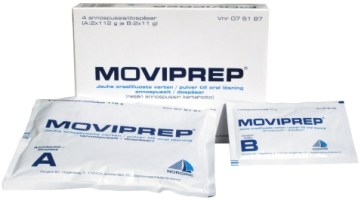
184856-thickboxMovipreppkt_iso

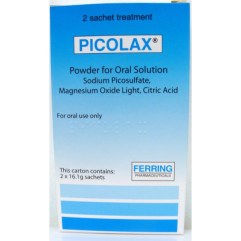
I think its fair to say that everyone’s stomach churns when their doctor says those dreaded two words: bowel prep. You might be asked to do bowel prep before some types of surgery, invasive procedures like colonoscopies or even some scans, the purpose being to “clear out” your digestive system and either provide a clear image or make operating easier. But what is the best bowel prep to take? Is one more effective than another? Is one easier to consume than another? Here I will review and compare two common forms of bowel prep which I have used several times: Picolax and Moviprep.

Picolax

How do you take Picolax?

Usually I take Picolax to prepare for colonoscopies, but I have recently also used it to prepare for abdominal surgery. Sometimes you may be told to avoid high fibre foods for a couple of days prior to taking bowel prep, but this has never been highlighted as greatly important in my case. The day before your procedure you are required to stop eating solid foods at around 8am and then you are only allowed clear fluids like water, tea, clear squash or strained broth for example. It’s important to carry on drinking plenty of clear fluids in order to replace those that are being lost, but only up until 2 hours before your appointment. After this time, you mustn’t consume anything, not even water.

As for the actual bowel prep, generally you are given two sachets of white powder containing numerous laxatives which each need to be mixed with 150ml of water and consumed the day before your procedure at certain times. Your doctor should tell you what time to drink each sachet, but for me personally the first sachet is generally consumed at 2pm and the second at 6pm when I have a morning appointment. You may also be asked to take some tablets like bisacodyl to help the wash out process along.

How does it work?

Picolax contains both stimulant laxatives and osmotic laxatives. The sodium picosulfate (the stimulant laxative) is activated by the natural bacteria found in the colon. It basically increases muscle contractions in the colon and rectum, moving their contents along so that the bowel can be emptied. The magnesium citrate (the osmotic laxative found in Picolax) causes water from surrounding tissue to be drawn into the lower bowel. This increases the water content and volume of stools, helping to “wash out” the bowel.

Everyone is different, but for me Picolax generally starts working an hour or so after drinking the first sachet. Now, this obviously isn’t pleasant at all no matter which bowel prep you take, but Picolax is known for its rather aggressive effect on the bowel. And by that I mean that you can expect nothing short of Niagara Falls on just about every trip to the bathroom (sorry about that rather graphic image…). It’s also very acidic and causes a burning sensation every time you go to the loo- nice. Testament to this is the sheer fact that when you mix the solution with water it reacts quite violently by bubbling up and turning red hot. Definitely don’t try and stomach it until it has cooled down!

What does it taste like?

I’m not going to lie, Picolax tastes like what I imagine a concoction of battery acid, stomach bile and rotten lemon would taste like i.e. absolutely vile. I have to hold my nose and only take 2-3 mouthfuls at a time to avoid being sick and drink squash in between in attempt to mask the flavour. Unfortunately, however, the taste lingers for hours after you’ve taken it and, given its effect on your insides, it makes you burp a lot which only brings back the flavour more- yuck.

How effective is it?

One thing I will say about Picolax is that, thanks to its aggressive nature, it definitely does work. Sometimes there may be a delay between drinking the first sachet and your first bathroom visit which makes people panic that it doesn’t work for them, but I would be shocked if it didn’t work for anyone on the planet eventually. For me, it usually takes several hours of constant and unpleasant toilet trips, but then I feel pretty confident that I’m empty. So, in my case, the effects of Picolax are quite contained timewise, which is quite important as I live a couple of hours away from my hospital and have to drive there the morning AFTER taking the bowel prep for my appointment. Despite this inconvenience, I can say that in over 8 years there have never been any Picolax related accidents and I only usually go to the loo once if at all on the day of the actual procedure. I will say though that it makes me incredibly bloated and uncomfortable, but I think that goes for any bowel prep to be honest! I have also never had any complaints of the images from colonoscopies or scans being distorted or unclear after taking Picolax, and I can usually tell this myself as my “fluids” do eventually run clear beforehand.

What about recovery after Picolax?

I usually go back to eating/ drinking a couple of hours after my procedure- unless it’s surgical. Drinking plenty of water does help to flush it out of your system, but if you have Crohn’s or Colitis, you may find that it will still take several days, or maybe even a week, before you feel fully recovered after taking Picolax. Unfortunately, it does have quite an impact on the bowel, and this can’t be reversed overnight. But soon it does wear off and you will feel better again, you just need to be patient.

Moviprep

How do you take Moviprep?

Compared to Picolax, you have to drink a very significant quantity of Moviprep which is my main dislike of this type of bowel prep. The day before the procedure you have to stop eating in the morning, usually at around 8am again. Then, you are only allowed clear fluids until a couple of hours before the procedure. There are two doses of Moviprep, but this time each dose needs a “sachet A” and a “sachet B” to be mixed with 1 litre of water. Yes, that’s right, you have to drink an entire litre of the stuff each time. For me, the first dose was at 1pm and the second was at around 6pm.

How does it work?

Unlike Picolax, Moviprep only contains osmotic laxatives; the kind which draw water from the rest of the body into your bowel to soften stool and make it easier to pass. The lack of stimulant laxatives in Moviprep may mean that you experience less cramping and that the effect is less violent and sudden than that of Picolax. For me, this manifested in the fact that my stools gradually got looser over a period of a few hours rather than almost immediately turning to complete liquid. As for frequency of needing the bathroom however, I found little difference between the two.

What does it taste like?

Okay, so the taste is still pretty vile. Let’s just say that whoever invented bowel prep didn’t factor what it tasted like into the equation. Moviprep certainly isn’t as volcanic as Picolax, in that it doesn’t boil and bubble in some kind of toxic chemical reaction when you mix it with water. Initially I thought that this would make it easier to drink, however what I actually discovered was that the quantity was very unmanageable and the more I drank, the worse it seemed to taste. It was still like rotten lemon, but almost salty, like if someone filled up a bucket with dirty sea water and left some dead lemons in it for a couple of years to fester- yum! But unlike the Picolax which you can consume relatively quickly as each dose is only ½ cup, I found Moviprep never-ending and I was literally drinking it for about 7 hours straight without much of a break in between the doses. And even then, I was sick from the taste and quantity combined and I couldn’t finish the whole amount.

How effective is it?

Luckily, my procedure still went ahead and was successful anyway, but I didn’t feel anywhere near as reassured as I do after taking Picolax. Sure, I was still going to the loo a lot with Moviprep, but it wasn’t “contained” like it is with Picolax i.e. it wasn’t over within a few hours, I was going throughout the night and even the day of the procedure- which I really didn’t appreciate. The images still came out clear enough, but I don’t think Moviprep was as effective as Picolax at totally emptying my bowel or making my stool go completely clear.

What about recovery after Moviprep?

Leading on from the fact that the effects of Moviprep were not overly contained, it took me longer to get over the side effects of Moviprep than it usually does for Picolax. It just seemed to be more gradual as opposed to the complete clear out and the blank (or should I say empty) slate that I then build upon when I start eating again after having Picolax. I felt like there may still be some Moviprep in my system even after the procedure which prolonged my recovery somewhat.

Overall review

Convenience: Picolax wins given its quick doses.

Taste: Moviprep wins (just) given its less volcanic nature.

Manageability: Picolax wins given its far lesser quantity.

Effectiveness: Picolax wins given its complete “clear out”.

Recovery: Picolax wins given the blank slate it provides.

So, it looks like we have a clear winner! It may get some stick, and after the first time I ever had bowel prep, I never thought I would praise Picolax, but nowadays I always ask for it instead of Moviprep and I tolerate it far better. I haven’t even been sick on the last two occasions that I had to take it- whoop!

But, no bowel is pleasant as you’ve probably gathered. So, below are some general tips to make it a little more bearable.

General advice for bowel prep

  • Stay near at a toilet at ALL times whilst doing bowel prep and for the rest of that day/ night.
  • Keep a sick bowl handy just in case.
  • Having said that, do all you can not to be sick, even if it means holding your nose like I do- the more you’re sick, the less effective the bowel prep is and the more dehydrated you become.
  • Drink squash in between mouthfuls of bowel prep to mask the taste.
  • Drink plenty of water and clear fluids until 2 hours before the procedure to combat dehydration.
  • Use soft wet wipes instead of toilet paper and a barrier cream each time you go to the toilet to combat soreness.
  • Bring some spare underwear with you on the day of your procedure or maybe even some sanitary pads if you’re concerned or you have to make a long journey
  • Don’t forget to do your bowel prep- you don’t want your procedure to be cancelled
  • And most importantly, don’t take short cuts. If you only do one sachet instead of the stated dose for example, you may well still have the procedure and think that you’ve gotten away with it, but if the images are unclear, you may have to do the bowel prep and the procedure all over again! Do things right the first time and don’t take the risk.

Stoma for a Day: An Experiment.

IMG_20191012_092216

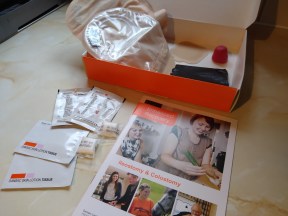
If you’ve been reading my previous posts, you will know that I am about to have surgery to remove my entire colon and get a permanent ileostomy. In preparation, I attended a stoma nurse clinic where I was given an unexpected tool to help me prepare for waking up from surgery: a practice stoma kit. In all my research I had not come across this, so I was weirdly excited to put it to the test. For 24 hours I wore a fake stoma and an ostomy bag to give myself a taste of life post-surgery and I can now humbly give you my account of the process.

What are the benefits of doing a trial run like this?

  1. You can familiarise yourself with the equipment
  2. You can practice the processes of putting on, emptying and removing an ostomy bag
  3. You can get a feel for having the bag on and how you may have to adapt your daily life
  4. You can try different bags and get an idea of which style you might prefer
  5. You can gain some reassurance and an understanding of what to expect which will make you less shocked and anxious when you wake up from surgery

How does the experiment work?

I was given this kit from my stoma nurse and it contained the following items: 3 ostomy bags, a foam “stoma”, a sticky base for the stoma to stick to, some reactive salts, skin lotion wipes, adhesive remover wipes and a disposable bag for waste. The idea is that you estimate where your stoma might go, attach the fake stoma and wear a bag around the house for a day or so to see how it feels. The part I was particularly impressed by however was the salts. They are designed to react with water and form a jelly-like substance which is roughly the consistency of ileostomy output. By using these, you not only get to experience the sensation of having the ostomy bag attached to your abdomen, but you also get an idea of how heavy and large the bag can become at full capacity. So, where to begin?

First of all, I had to choose which bag to wear for my little trial run. There were three types provided by my stoma nurse; a clear drainable one-piece, a drainable one-piece with a window and a closed opaque two-piece. For those of you who are unfamiliar with ostomy bags, drainable bags allow you to empty the contents of the bag without having to constantly change it, unlike the closed bags which require completely replacing when the bag becomes full. For this reason, I figured that a drainable bag would be the most practical. As for the difference between a one-piece bag and a two-piece, a two-piece has a separate base plate (the part that sticks to your skin) and bag component, whilst a one-piece fuses these two components together. The function is therefore the same, but the practical difference is that with the one-piece, everything has to be completely changed every 1-2 days, whereas the two-piece allows you to leave the base plate attached for 3-4 days and snap on a new bag when necessary. I was told that I would probably wake up with a clear one-piece bag in hospital as it is the easiest way for the nurses to monitor my new stoma and it won’t put the same pressure on my stomach as the two-piece which requires you to snap the new bag onto the base plate with a little more force. For this reason, I decided that the clear drainable one-piece would be the best test subject.

Phase 1: Putting the bag on

So, first things first, I needed to attach everything! I started by taking a look at my stomach and deciding where best to place the bag. As my stoma will be an ileostomy, it is likely that it will be on the lower right portion of my abdomen, so I chose a site around half-way between my bellybutton and my hip. I then peeled off the adhesive backing on the stoma base and placed it on my chosen location. Next, I removed the adhesive backing (you’ll notice there will be a lot of this going on!) of the fake stoma and stuck it in the middle of the stoma base on my stomach. Now for the fun part! I tipped one sachet of reactive salts into my chosen bag through the stoma opening and added about 150ml of cold water as noted in the instructions. It very rapidly turned into the porridge consistency that I will eventually expect from my stoma. The hole in the stoma bag was already cut to the size of the fake stoma, so not cutting was required. I just removed the adhesive backing (for the last time I promise) of the stoma bag and attached it firmly around my stoma.

Phase 2: First impressions

I must say, my first thoughts were that the bag was nowhere near as heavy as I was expecting. I mean, I don’t really know what I was expecting to be honest, but I feared that I would feel a little weighed down by a near full capacity bag. So, it was a pleasant surprise to find that the bag was fairly manageable in terms of weight. As far as position was concerned, the bag sat quite nicely and I was able to tuck it into my underwear with little discomfort or itchiness- which was a concern I had, I can’t deal with chaffing all day every day! I am aware that stomas change in size a fair bit and that for the first few months after surgery it will be rather large and bulgy, but I do think that the fake stoma provided did protrude quite a way out. I am hopeful that once my stoma has calmed down, it won’t stick out quite so far.

Phase 3: Clothing

So, with the attachment done, the next stage of my experiment was to try on some of my clothes and see how they looked and felt with the stoma bag. I always read that high-waisted bottoms are the way to go when you have an ostomy, so I started with my favourite high-waisted jeans. I must admit, the bag did bulge slightly as it was filled to about 2/3 capacity. But, it did feel nice and secure and the top of my jeans were at the perfect height to sit just above the top of the bag without squashing it. The main thing that was noticeable was the protruding stoma itself, but as I said above, I think the model was based on a new stoma which would eventually reduce in size slightly. But to be honest, I don’t usually wear cropped or tight fitting tops anyway due to issues with bloating (who knows if this issue will be resolved after all my strictures are gone), so my usual camisole or split-hem jumper covered the stoma and the bag very well and I don’t think anyone who wasn’t looking for it would have noticed it at all.

Some of my skirts were a little more problematic, however. I usually go for A-line and my denim one was made rather tight to say the least because of the position of the stoma. But I am confident that if the stoma was placed a little bit lower the problem would be significantly lessened. Otherwise, I will just have to opt for my second favourite skirt style: the skater skirt. Either way, I would say that I was quite satisfied with the results of my trying-on sesh. I didn’t venture into the realm of swimwear as mine will need replacing with something more secure and high-waisted for my own peace of mind, but as for underwear, my low-waisted knickers sat just underneath the bag and prevented it from rubbing against my skin which was good. I do plan to get some specially designed underwear from a company like Vanilla Blush though, as they sell briefs with pockets for your stoma bag- how neat is that!

Phase 4: Showering

My next task was to shower with the bag on, and I was particularly interested in two things: 1) how wet the bag became, and 2) how the seal was affected by the water and condensation. Again, I was quite pleasantly surprised by the result. I do a love long shower and by long, I mean LONG i.e. between 30-40 minutes (sorry planet, but my hair needs some special attention right now…). But despite my extra long time under the water, the bag stayed put and didn’t really get any heavier, though the underside of the bag, which was made from fabric, did soak up a little wetness. You can, in fact, shower without a bag on at all, but personally I would rather not have an active stoma while I am trying to get clean. When I got out of the shower I pulled at the bag slightly to test its stickiness and, apart from a few little edges, for the most part it was still secure. I did notice that although the bag initially didn’t seem that wet, once I had gotten dressed it did seep a little onto my underwear and left an unwelcome wet patch though… Based on this, I think a good time to change the bag might be just after a shower.

Phase 5: Emptying the bag

Okay, so I very briskly realised when I went to empty the bag that the angle at which I had attached it probably wasn’t the best. Most people seem to empty their bags into the loo while sitting on the toilet, but it was obvious to me that there was no way that my bag was going to reach the toilet. So, I had to opt for position number 2 instead i.e. kneeling in front of the toilet- not as practical or sanitary for public loos I imagine… But nonetheless, once I had found a good position, I found emptying the bag quite straightforward. I just needed to undo the Velcro at the bottom of the bag’s drain, unroll the bag and gently tip the contents out. (Disclaimer: I didn’t actually empty the salts into the toilet as I wasn’t sure that this was a good idea for the environment. So instead, I tipped it into our bathroom bin in the end, I just wanted to see how emptying it into the toilet would work normally). After emptying, I simply rolled the bag back up, secured the Velcro again and carried on going about my day.

In terms of frequency, I believe the amount of times a bag needs emptying can range quite a bit from about 4-8 times a day, depending on health conditions and diet etc. That’s about the amount you might use the loo anyway (especially as ileostomates have to drink plenty of fluids), so I found the thought of that pretty manageable as well.

Phase 6: General wear

I put the bag on in the morning and wore it for the rest of that day and throughout the night. As I am still in a flare up at the moment, my day didn’t really consist of very much. But it definitely didn’t bother me when sitting in most positions, other than when I tried to sit with my left leg flat and my right leg bent upright as that did squish the bag slightly. I should also say that gas wasn’t an issue at all because the bag I used had an in-built charcoal filter to remove excess air. I would definitely recommend having a bag with this feature as it not only prevents ballooning, but also any odours accumulating in the output.

One thing I did notice myself doing, which I anticipated might happen, was checking the bag constantly to make sure that it was still secure and hadn’t leaked. I have read about this mild paranoia among other ostomates and given my naturally mildly obsessive nature, I expected to experience this once I’d had my stoma fitted. I think that this is very normal however- after all, you have just had major surgery and life with a stoma can be very different to before. I am hopeful that this mental aspect of having a stoma will settle down during my recovery.

Phase 7: Sleeping

Now comes the big question: will my sleep be affected by having a stoma? Obviously I couldn’t really address the main aspect of this, being how the stoma might interrupt your sleep due to the need to empty your bag’s contents in the middle of the night or the early hours of the morning. But, what I could test was how my nightwear and sleeping position might be affected. I decided to wear a tight-fitting vest to gently hold the bag in place and stop it from flapping about if I rolled over. This seemed to work quite well, and I felt very safe and secure when I got into bed. I do usually lie on my right side with my knees bend up to my stomach, which proved admittedly a bit of a challenge. Not in that it was overly uncomfortable, but in that I knew that if I had a real stoma and ostomy bag, I would risk potentially constricting or even bursting it because of the pressure I was putting onto it. So, I adapted my position and leant backwards a little more with some support from my duvet, which took some getting used to, but I still ended up falling asleep in good time. Likewise, I did wake up in the early hours of the morning, but I’m not convinced that this was strictly stoma experiment related as I have issues sleeping at the best of times. All in all though, I did get a reasonable night’s sleep and when I woke up in the morning, the bag was still just as firmly attached as when I got into bed, which is obviously a good sign.

Phase 8: Removing the bag

The morning afterwards, I went about the final stage of my experiment: removing the bag. To do this, I used the provided adhesive wipes and gently prized the bag away from my skin. It was at this point that I realised something I had forgotten to do: shave the area underneath. Now, I know what you’re thinking: “how hairy is this girl’s stomach?!” But trust me, even if you only have the tiniest hairs going on, it does hurt to rip quite a large area of industrial strength adhesive off. So, note to self: always remember to shave your stomach before attaching a new bag or base plate! The pack also provided some lotion wipes however which did calm my skin down afterwards and removed most of the excess stickiness. I then binned the bag and wipes in the disposable bag provided and with that came the end of my experiment!

What did I learn?

Overall, I found my little stoma trial run a really positive and beneficial experiment. Whilst I am sure that having a fake stoma is not really comparable to having a real one and I recognise that I didn’t have any stoma-related pain to contend with, the purpose is not to replicate life with a stoma exactly. Instead, it’s about breaking the ice and becoming familiar with the psychological idea of having a stoma and an ostomy bag on your body. I do feel less like they are foreign objects now and I hope that this will help me deal with the post-surgery shock and anxiety that a lot of people face. Having a day to familiarise myself with what living with a stoma may entail gave me confidence that I will be able to get through surgery and adapt my life where necessary. So, with that said, I would definitely recommend this experiment to anyone who is potentially looking at stoma surgery in the future.


Before Stoma Surgery: What to Expect.

abt_03

Seeing as my ileostomy surgery will take place in less than a week now (yikes!), I have been undergoing all the necessary pre-surgery tasks. The weeks leading up to surgery, particularly one as major as stoma surgery, can be daunting, so I have documented the process so people can see exactly what to expect and when.

Preoperative assessment

First of all, I attended a preoperative assessment, the purpose of which being to ensure that I am fit for surgery. You meet with a nurse from the surgical department who runs through a long report which asks questions about your current health i.e. which medical conditions you have, which medications you’re on, which other surgeries you’ve had, which allergies you have etc. Then, if it’s deemed necessary, you may have to undergo specific tests like an ECG or be physically examined, though none of these tests are particularly invasive. I also had to have a series of blood tests to check that my anaemia wasn’t going to cause any issues- and luckily it appears it won’t. All in all, I believe the appointment lasted about 30-40 minutes. I should also say that this appointment and the data collected are valid for a period of 12 weeks. I had mine just over 2 weeks before my surgery, but if you haven’t had your surgery within the 12 weeks following the pre-assessment, you will have to have another one.

Stoma nurse consultation

Several days after my pre-assessment, I received a phone call from the stoma nurses who wanted to book me in for a consultation to discuss stomas, how they work and what to expect after my surgery. This appointment usually takes place at your normal hospital or the one at which your surgery will take place. At the outset of the appointment, the nurse outlined the type of procedure I will be having i.e. a pan proctocolectomy a.k.a. the removal of my colon and rectum, and the creation of an ileostomy. She then explained how stomas work and the different types of ostomy products available. Although like me you have probably done a tonne of research if you’re heading into ostomy surgery in the near future, sometimes all the information can be overwhelming and key questions remain unanswered in support booklets and online. Naturally, I had quite a few questions remaining about the surgery and living with a stoma beyond the basics that I expect most pre-surgery patients would already know, so I will do a little Q & A below paraphrasing what the nurse told me.

Q- Will my surgery be laparoscopic (keyhole)?

A- Usually, elected surgeries are keyhole and emergency surgeries are open, but you may need to consent to both in case there are any issues in the operating room and the surgeon decides that open surgery would be safer. Having keyhole surgery will lessen the recovery time in comparison to open surgery, but keyhole procedures usually take longer in theatre i.e. 5-9 hours for keyhole vs 4-7 hours for open surgery.

Q- Will I have an epidural?

A- There are two main options for pain relief. You can receive an epidural, but this will require you to stay in bed for at least a couple of days after surgery. Alternatively, you can be given a morphine pump which means that you can self-administer your pain relief after surgery without the fear of overdosing.

Q- How will I go to the bathroom after surgery?

A- You will have a catheter to pass urine while you are bedbound initially after your surgery. As for the stoma, your nurse will empty and change your bag until you become more confident.

Q- Will I have an NG tube?

A- Yes, but this will probably be removed either before you wake up, or in the recovery room. If there are any issues, this may stay in place, but your nurses will try their best to make you feel comfortable.

Q- How long will I be in the hospital?

A- This will depend on how the surgery goes, if there are any complications, how ill you were beforehand and how you are recovering. If the surgery is elected and is done keyhole, you may only be in hospital for a week, but if for example you went into hospital quite unwell and had open surgery, you may be looking at 2 weeks. The bottom-line is that you need to be on your way to recovery and comfortable with your stoma in order to be discharged.

Q- Will I need to be on a liquid diet at first?

A- You may have a day or so of nothing at all and you may feel quite sick after the procedure. The first thing you will consume will be water and once you are comfortable with drinking, clear fluids like broth will be introduced. Within several days you should have moved onto semi-solid and then solid foods. You should follow a low fibre/ low residue diet for about 6-8 weeks after surgery to give your intestines a chance to recover before introducing foods like fruit and vegetables.

Q- Will I have the same intolerances as before?

A- Yes, so if for example you couldn’t digest lactose before surgery, you will still be affected by it after surgery.

Q- Are there any specific foods I will have to avoid long-term?

A- Not necessarily, but you need to be careful with foods which can cause blockages like nuts, seeds, fruit/ vegetable skins and popcorn. Having said that, blockages that require hospital intervention are fairly rare and usually only happen when people haven’t chewed their food properly i.e. swallowing mushrooms basically whole! Some foods are identifiable in the stoma output, but this doesn’t mean that they will block the stoma- peas for example are usually too small to do so. Just chew well, monitor how foods affect your output and adapt based on what works best for you.

Q- Do I need to add salt to my food? How much should I drink?

A- People with stomas are at a higher risk of dehydration, so preventing this is important. You should aim to start with drinking around 500ml of water a day as well as lots of other fluids like tea, broth or milk. You can then build this up over time if necessary. You can also add salt to your food, use salty condiments like soy sauce or consume salty foods like crisps to ensure that your body has enough salt to retain fluids. Sports drinks like Lucozade and Powerade are good mineral supplements, otherwise the WHO has a recipe which you can use.

Q- How often will I need to empty the bag?

A- People usually empty their bags about 6-8 times a day when they go to the toilet for a wee, but this will vary depending on your diet.

Q- How often will I need to change the bag?

A- One-piece bags usually need changing every 1-2 days, but two-piece bags last slightly longer- around 3-4 days.

Q- Will I have to empty the bag in the night?

A- Everyone is different, and some people’s stomas are more active than others during the night. Your nurses will try and form a routine whilst you’re in the hospital where the bag doesn’t need emptying at night. But, if you find your bag filling up during the night when you return home, try eating your evening meal earlier, or make the last thing you eat something stodgy like a banana or apple sauce. If this becomes a problem and it is affecting your sleep however, bag extensions are available.

Q- Can I shower normally with the bag on?

A- Yes, you can shower with the bag on or off, just remember that your stoma may become active whilst you are showering. You may want to change the bag afterwards for a dryer one, but don’t worry about it leaking as the bags are waterproof.

Q- Can I still take medications like the contraceptive pill or slow-release tablets?

A- This depends on how much of your small bowel has been removed. In [my] case, these medications should have enough time for absorption before they reach the end of the small bowel.

Q- How difficult is it to have children after stoma surgery?

A- Not that difficult! Your stoma will just stretch over the course of the pregnancy, but this is very normal. You can still have a natural birth with a stoma.

Q- Where do I get bag supplies from and do I have to pay for them?

A- Bag supplies are free on prescription. Before you leave the hospital after surgery, your nurse will give you enough supplies for a couple of weeks to get you started and you will be set up with the stoma supply company who will deliver to your house. Just make sure you order more supplies before you run out!

After all my questions were answered, the nurse made up a sample box for me to take home, including a practice stoma kit with a fake stoma and salts which simulate output (if you want to see how this turned out, read my article Stoma for a Day: An Experiment). The box also contained various information packs, 3 types of ostomy bag (clear one-piece, window one-piece and a two-piece) and some of the general supplies you would need for a bag change just so that I could familiarise myself with the products and their design.

As for preparation immediately before the surgery, there was some confusion. Initially at the preoperative assessment I was told that I would need to do bowel prep the day before the procedure to empty my bowels i.e. the good old picolax you would take before a colonoscopy. But between the pre-assessment and my stoma consultation, I was then informed (much to my delight and disbelief) that this wasn’t necessary. However, when I arrived at the stoma consultation, the nurse said that my surgeon had changed his mind again and that he did want me to do bowel prep after all. Damn. Oh well, I’ve done it many times before, so I can do it again I guess.

As for the day of the surgery, most surgical departments don’t put specific times on their procedures. They will tell you to come at around 7am regardless and you could be waiting 1 hour or 10, so definitely bring something to do, or someone to talk to! Most hospitals can also provide on-site accommodation for the patient and up to 2 family members during your hospital stay as stoma surgery is a pretty big deal. I was fortunate enough to secure one such place with my mum for the night before surgery (for the both of us) and for a further week or more (for my mum, so that she is close by). So, my plan is to travel to the accommodation the morning before my surgery, do my bowel prep that afternoon/ evening (without the need to travel for 2+ hours at 4am the next morning!) and then make my way to the hospital for 7am the next day.

How I’m feeling

Naturally, surgery brings on a lot of conflicting emotions. On one hand, I am obviously apprehensive. No surgery should be taken lightly, and this is a major one. But also, the closer it gets to my surgery date, the more inpatient I seem to get, having waited several months to get a slot. Maybe I should be more scared, but I’m almost weirdly excited in a way. I have been ill for so long now and having run out of options, I just want to have the surgery and start recovering so that I can finally get my life back. Sure, recovering from surgery will be hard, things will be different for me afterwards and I will have some real adapting to do, but this is my one shot at feeling better after such a long time of struggling with my Crohn’s. Although I will never be “cured”, I am hopeful that this surgery will give me almost a fresh start and give me more of a chance at responding to medication once the worst of the damage is gone. I already know that I will be started on medication (probably Humira again) a couple of months after surgery as a preventative measure, though I already have some active inflammation in my small intestine which will obviously stay put. So, all in all, I am trying not to worry myself by thinking about how effective the surgery will be or how long I’ll feel okay before I start getting more Crohn’s-related issues again. I am just keen to get on with things now, this could be the first chapter of a whole new portion of my life!

10 Modern Teen Movies to Watch During a Flare Up.

When your symptoms worsen and you’re confined to the realms of your bedroom, the most obvious way to pass the time is to watch films. So, as I’ve had a lot of practice in this department, I have compiled various lists of feel-good movies to cheer you up during a flare. This list is dedicated to some of my favourite modern teen flicks, so sit back, relax and enjoy!

mean-girls-cover-636-380

1. Mean Girls

I would be surprised if anyone hadn’t seen this teen comedy classic starring Lindsay Lohan and Rachel McAdams. Based on the novel Queen Bees and Wannabees by Rosalind Wiseman, the film exposes the damaging effects of high school social cliques on teenage girls by following the life of new student Cady Heron (Lohan) who moves from rural Africa to bustling Illinois and becomes involved with the popular clique “The Plastics”. This will always be a great teen movie, perfectly combining comedy with a harsh portrayal of high school life which everyone can relate to in some way.

Screen-Shot-2017-05-04-at-9_47_35-PM.png

2. Freaky Friday

Continuing with the Lindsay Lohan theme, this is another classic feel-good movie. When Jamie Lee Curtis and her daughter undergo a mystical body swap as a result of a magical fortune cookie, some seriously hilarious antics unfold. This truly is a laugh-out-loud film which everyone can enjoy and it’s also a fascinating exploration of mother-daughter relationships. What’s more, the bond between Curtis and Lohan seems so legit that you wouldn’t be surprised if they really were mother and daughter! It’s great light-hearted viewing with fast pace comedic chaos and some great one-liners- I definitely would recommend.

17-Again.jpg

3. 17 Again

17 Again is another brilliant fantasy teen movie which follows the life of Mike O’Donnell, who somehow becomes his 17-year-old self once again after a mysterious accident which gives him the chance to turn his life around. Like Freaky Friday, this a film which moves fast enough that you aren’t focusing on the occasional plot hole, but instead on the unique character dynamics and fantastical storyline. This movie is weird, wonderful, awkward and hilarious all at the same time and it’s definitely one to watch when you’re feeling under the weather.

Amanda_Bynes_in_Shes_the_Man_Wallpaper_1_1024.jpg

4. She’s the Man

Okay, now this one might divide people; you either love it or you hate it. It’s one of those movies which I think is supposed to be quite ridiculous and unbelievable, and I personally think this makes it all the more loveable. It stars Amanda Bynes, a teenage girl who goes to her brother’s school, pretending to be him that is, in order to play on the boy’s football team after the girl’s team at her school gets axed. Based loosely on Shakespeare’s Twelfth Night, this is a film that relies heavily on physical comedy and slapstick, which admittedly isn’t to everyone’s taste. But ultimately this is a playful and feel-good flick that really captures your attention and pulls at your heartstrings. Plus, Channing Tatum is totally gorgeous in it which helps…

k5EfNO3MMO0zL31K3yZCRN9AIBu.jpg

5. Step Up

And for all you Channing Tatum lovers (or those of you that need converting), you NEED to watch Step Up. Famously where he met his (now ex) wife Jenna Dewan, this vibrant dance movie set in Baltimore follows a disadvantaged teen (Tatum) who finds himself paired up with a privileged modern dancer (Dewan) for a school showcase and, as you may have guessed, they really hit it off. The plot is well-written, the dancing is first-class, and the chemistry is so real that you’ll find yourself falling in love with these two characters. And although their love story reached an end in real life (sad times), you can still get your fill of the romance by reverting back to this good old film.

10-things-i-hate-about-you.jpg

6. 10 Things I Hate About You

Another movie based on one of Shakespeare’s plays (I mean, he did write some good stuff), is this old-school 90’s romantic comedy. It stars a young Julia Styles along with the ever-talented Heath Ledger and follows a similar course to The Taming of The Shrew. In this new version, new student Cameron (Joseph Gordon Levitt) is taken with Bianca, the popular girl at school. The only problem is that her dad won’t let her date unless her sister, the ill-tempered Kat (Julia Styles), dates as well. So, bad boy Patrick (Heath Ledger) is enlisted to go out with Kat in order to get around this house rule, but evidently it doesn’t all go to plan. This film is a timeless hit. Its edgy, funny, engaging and a must-watch for those in search of something a little different from your classic teen movie.

angus_thongs.jpg

7. Angus, Thongs and Perfect Snogging

This film is quintessentially British, and I love it. It’s one of those movies that’s so stupid but funny at the same time that I never get tired of watching it. It’s about a fourteen-year-old schoolgirl called Georgia who lives in Eastbourne and is desperately trying to find a boyfriend. She sets her sights on adorable new boy Robbie (played by a super cute Aaron Taylor-Johnson) and various plans unfold (and go wrong) as she tries to get his attention. This film is comedic gold but, although its rather silly on the surface, it also explores important issues for teenage girls and examines ideas of friendship, first love, body image and family.

THE-DUFF_QUAD_1-1

8. The Duff

Another important film which uses humour to explore body image and teenage relationships is The Duff i.e. The Designated Ugly Fat Friend. Starring Mae Whitman, Robbie Amell and Bella Thorne, this American teen comedy is a postmodern twist on the classic teen movie which incorporates the traditional tropes but turns them on their head. It seeks to explore teenage stereotypes by focusing on Bianca, a high school student who is devasted to find out that she is known, in comparison to her two popular and beautiful best friends, as their “DUFF”. So, as a result she recruits her neighbour, a handsome jock, to help her reinvent herself and get the guy she has her eyes on. At some points this film is honest and brutally so, but it has an inexplicable charm that really draws you in.

edge-of-17.jpg

9. The Edge of Seventeen

In my opinion, this is one of the most socially important teen films out there. Hailee Steinfeld really excels in this coming-of-age drama, which could happily sit somewhere between 16 candles and The Breakfast Club. It’s about a teenager who navigates the trials and tribulations of school, complicated romance, friendship and mental health. It somehow manages to have all the conversations that need to be had in today’s society but maintain a comedic tone nonetheless, despite its often-candid exploration of teenage life. It’ll have you laughing at some points and crying at others, but it is certainly gripping all the way through.

1533247241870.jpg

10. To All the Boys I’ve Loved Before

Only released on Netflix last year, this flick stands up to all the other films on this list. It follows Lara Jean Covey, an unassuming teenage girl who writes letters to all of her past loves. Of course, she never intended on sending them, but when her mischievous younger sister mails them out, she has various boys (and her sister, who’s boyfriend received a letter as well- yikes) to answer to. This heart-warming film starring the up-and-coming actor Noah Centineo and Lana Condor is Netflix’s answer to the classic teen romcom and, whilst traditional aspects that we all love remain, the film has a real freshness about it which roots it in millennial culture.

So, there you have it! I hope you enjoy these movies while you’re having a bad flare day- they certainly should put a smile on your face and give you a great way to pass the time.


IBD and Alcohol: Why I Don’t Drink.

photosStockbyte

I am now 20-years old and the closest I ever got to consuming alcohol was the tablespoon of Grand Marnier my mum used to put in our Christmas fruit salad. As I was diagnosed with Crohn’s so early on in my life when I was only 12, I never got into the habit of drinking alcohol and because I received a lot of mixed information about whether or not I should be drinking with IBD, it became a conscious decision that I was going to be safe rather than sorry; I wasn’t going to drink at all.

The stigma around not drinking

One thing that never fails to surprise me on this subject is the reaction I get from people when I tell them that I don’t drink. It only really became a “big deal” when I went to university, what with fresher’s week being synonymous with the drinking Olympics. My default was to just tell people I was “allergic” and even though I wasn’t even sure if this was a real thing, most people were gullible enough to believe me. But the conversation never ended there, I was always met with questions like “how do you live?!” or statements like “wow, you’re really missing out”. And it wasn’t just vodka-hungry students that reacted this way. Even during a trip to the opticians of all places, my optician (who was at least 35-40 by my estimates) posed a scenario about when I would probably prefer contact lenses over glasses i.e. when I was on a romantic date drinking red wine. He knew all the details of my health issues and yet, when I light-heartedly said that I couldn’t drink red wine and that it would likely be a glass of water instead, he still responded by saying: “What! You can’t drink alcohol? That’s awful!”

Is it just me, or do these people who seem like they can’t function without alcohol in their lives have more problems than I do? It’s not even like I “miss” alcohol as I never really had it in the first place. And I certainly don’t feel like I need a drink to have a good time. It can be challenging sometimes, especially at university, when alcohol seems to be at the centre of student culture, but I was surprised by the number of people I met that didn’t drink either- whether that be for religious, economical or ethical reasons, or that they just didn’t like the taste. So, with that in mind, I’ve never found myself tempted to drink, nor overly left out because of my choice to avoid alcohol.

But other than just being generally sensible, what are the reasons why I don’t drink? For ordinary people alcohol can do more harm than good, but for people with IBD specifically it can be particularly problematic. I myself am on a fine line between choosing not to drink and not being able to drink because of the effect that alcohol may have on my body. So, I have resolved to just say that I don’t drink.

Why I don’t drink

1. I don’t want to get dehydrated

Most people are aware of how dehydrating alcohol can be and when you have IBD, you need to be extra careful that your body is retaining its nutrients properly. The sheer act of drinking takes its toll on the body from this standpoint, but if you overdo it and end up being sick, things can get even worse. This is particularly an issue for ostomates who have to make even more of a conscious effort to avoid dehydration as fluids and minerals are constantly lost through their stomas.

2. I like my liver

Chronic liver disease is a real risk for anyone with IBD and those most at risk include patients on immunosuppressants like azathioprine, mercaptopurine and methotrexate. I had problems with my liver whilst taking the former 2 of these medications and my liver function dropped so much that I was advised to cease taking them immediately. Alcohol puts an extra strain on the liver to remove bodily toxins, it destroys liver cells and can eventually lead to cirrhosis. So, with an already struggling liver, staying sober is the responsible choice for me.

3. I don’t want to trigger my symptoms

For IBD patients, alcohol can also have a similar effect on our digestive system as any other trigger food, from a curry to fish and chips. Studies have shown that alcohol lowers your immune system, it is pro-inflammatory as well as pro-oxidant and it has a damaging effect on gut barrier function. It has even been proven to potentially trigger a full-blown flare up. Whether I am in remission and don’t want to jeopardise it, or I’m already unwell and don’t want to make it worse, drinking alcohol just isn’t worth the risk in my book.

4. It might interfere with my medications

It is well known that drinking can alter the effects of certain drugs. At the most basic level, drugs like antibiotics will be made far less effective when mixed with alcohol and can cause some pretty dangerous side-effects. So, for people taking antibiotics long-term, alcohol can be a real issue. I have been on and off drugs like metronidazole for issues with abscesses and fistulas to prevent septicaemia, so lessening their effectiveness for the sake of a pint could have potentially dangerous consequences for me. Alcohol can also affect immunomodulators and similar medications used to treat IBD and, as stated above, it weakens your immune system further, which certainly isn’t what already vulnerable patients want.

5. I’m anaemic

Drinking has also been associated with anaemia and I have had real problems treating mine as it is, especially after discovering that I am severely allergic to iron infusions and cannot tolerate oral tablets either. Again, in this instance, alcohol would merely make my symptoms worse and make it even more complicated to treat the existing problem.

My advice

So, with all that in mind, here’s what I would like to say to anyone who has, knowingly or not, made an IBD patient feel inadequate for not drinking or anyone who has ever quizzed us about staying sober:

“Deciding to drink, or not drink, is a personal choice which everyone has the right to make. Being sober doesn’t make us less fun, less adventurous or less able to have a good time. It makes us in control of our own lives and our own bodies. What’s more, some of us have legitimate health-related reasons why we don’t drink, and some of us can’t drink at all without putting ourselves at serious risk. So please, be respectful and think before you make a comment or make us feel like we are “missing out”. Chances are we already feel as though we are missing out on a lot in life because of our health and we really don’t need to be made to feel even worse over something as trivial as a beverage, we have bigger things to worry about. Thank you. Oh, and P.S- I would advise that you’re nice to us as, unlike you, we WILL remember all the stupid things you did when you were drunk.”

And a word of advice for those of you who want to stay clear of the drink for the sake of your health: don’t be afraid to say no. I am lucky in the sense that I’ve never had a problem standing my ground and overcoming peer pressure, but if you find yourself in a situation where you feel pressured to drink, remind yourself that you are in control and that you don’t have to do anything you don’t want to. Make the right choice for your health and I doubt you’ll regret it! What’s more, if you’re worried about being uncomfortable or looking awkward i.e. if you’re going clubbing sober, don’t be afraid to let your hair down, a good majority of the other people there will be drunk, so they won’t even notice what you’re doing, let alone remember it the next day!

Meal Planning: Why and How You Should Start Doing It.

market_basket_analysis1

Meal planning has become somewhat of a trend recently among bloggers and YouTubers alike, and it’s not that surprising why. But, as someone with Crohn’s disease, I find the benefits of planning my meals extend beyond the typical advantages outlined by those in the public eye.

How do I go about meal planning?

Firstly, let’s just distinguish between meal planning and meal prepping. The latter is where you do the preparation for all the meals you will eat the following week/ month in advance and keep them stored and ready to cook. The former, and the one this article will focus on is, as the name suggests, where you know in advance what you’re going to eat and shop accordingly beforehand rather than spontaneously deciding on that day.

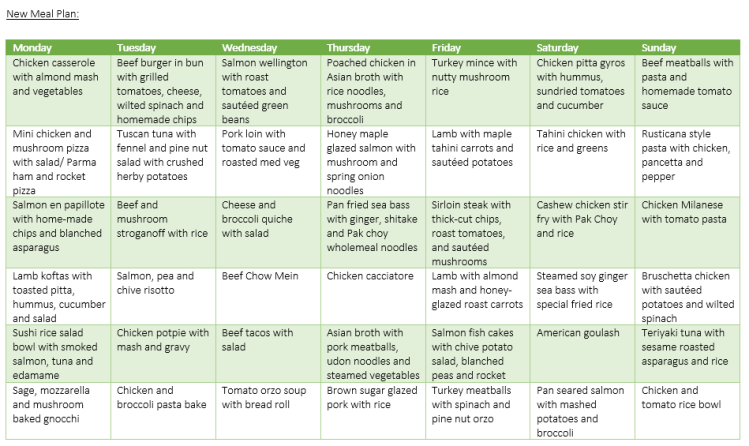
Since going to university in 2017, I have been planning my main evening meals. I started with a simple digital grocery list using OneNote so I could see all the possible foods I may be buying each week. Then, I compiled a list of all the dinner recipes that I’d tried and tested for my Crohn’s before doing the fun part: making my meal plan. My terms at university lasted 10 weeks, so logically I decided on a 10-week meal plan which would be repeated each term.

Now, there are a few things to think about before creating your meal plan. Firstly, you need to consider which day of the week you are going to do your shopping so that you can use up the produce which spoils quickly in the early days after your shop. For me, grocery day was a Saturday, so I knew I should probably put the meals with the freshest produce as close to Saturday as possible, leaving more store-cupboard based meals like pasta for the end of the week.

You also need to think about portion sizes. If like me you are cooking for one, obviously it would be silly to buy a large quantity of something fresh, only use a small amount and end up throwing the rest away. To combat this, try and put certain meals close together where you can use up left-over produce before it goes off. And of course, make notes about which foods you can freeze or buy frozen. Luckily, more supermarkets are now selling vegetables and fruit which never used to be available frozen like kale or spinach- I can never finish a full bag on my own in a matter of days, so buying it frozen stops it being wasted.

Finally, you should consider how balanced each week of meals is. For example, it wouldn’t be ideal to have one week where you eat 5 portions of oily fish and then another where you don’t eat any; it’s important to try and keep your weeks mixed in terms of which produce you are consuming. Now it’s just a question of filling in the chart! Colour co-ordinating can be helpful to make it clear which protein or core-ingredient each meal consists of, that way it’s easier to keep the meal plan balanced. You could also put a slightly customizable dish like fried rice or soup towards the end of the week so that you have the opportunity to use up any remaining produce before your next shop.

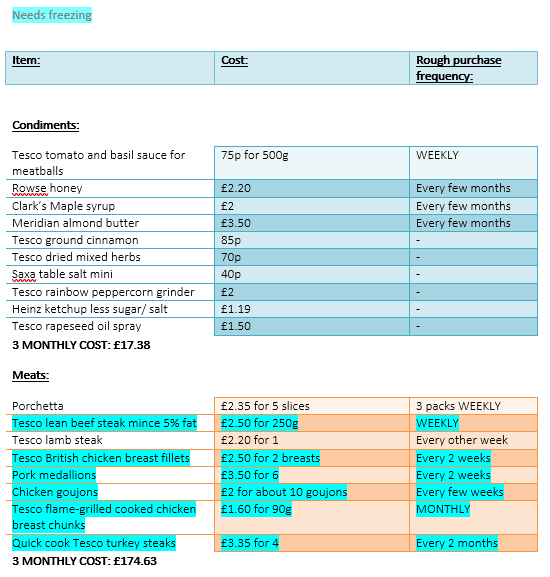
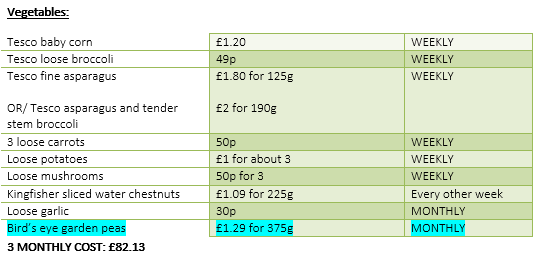
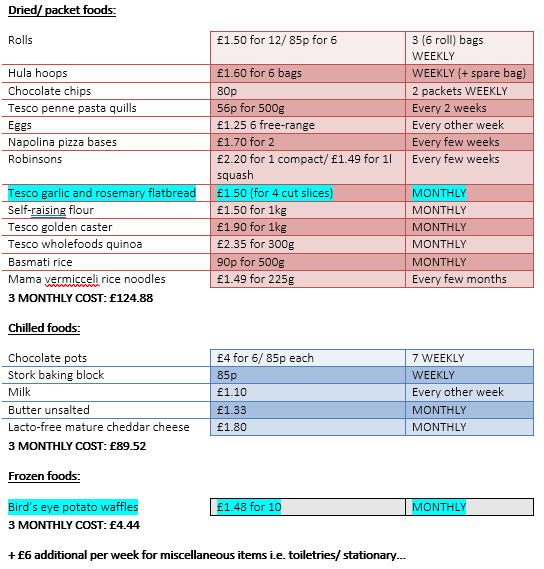
Once you have this basic meal plan, if you want to track your spending I would advise making a quick spreadsheet or a chart on Word. It doesn’t need to be overly complicated, it just needs to state how often you need to buy each food on your grocery list and how much it will cost you in a month, that way you can track your eating and finances all in one!

So, what are the benefits of meal planning?

1. It saves time and stress

The most obvious advantage of meal planning is that it saves you so much time. Not only does it make shopping easier as you know exactly which ingredients you need to buy each week and in what amount, but also it avoids the stressful “what on earth am I going to have for dinner tonight” procrastination which may otherwise take up your time. This can be a real lifesaver for people with IBD who can’t always easily go out and buy something for dinner at the last minute or use pre-made meals from a supermarket due to their dietary restrictions. Meal planning ensures that you’re always prepared for the meal you want. There’s little risk of you running out of ingredients or forgetting to buy or defrost them, all you have to do is quickly look at the chart each night and move whatever protein that needs defrosting from the freezer to the fridge so that it’s ready when you are the next night.

2. It saves money

With a set shopping list and a pre-made meal plan, it’s way easier to budget effectively as you’re less likely to overspend or get distracted in the supermarket by something you really don’t want or need (because you know, we’ve all been there…). After establishing a shopping list and meal plan, I created a quick table which outlined how often I would need to buy each food/ ingredient and the cost. This meant that I could easily work out how much money I would have to spend each month on food which, as a student shopping on a budget, I found really useful as I was still able to get good quality produce and maintain a balanced diet but I was less likely to over-buy. Taking a little time to really think about your food also means that you have the chance to shop around and find the best possible deals, which will also save you some pounds.

3. It reduces food waste and benefits the environment

As I said above, if you plan your meals based on which foods are going to expire first, you are more likely to use up what you bought and less likely to end up binning fresh produce because it’s gone off. The same applies to portioning; if you already know how much of each food you need for a week/ month, you will only buy that amount and no more, meaning that you aren’t left with any unwanted or excess produce. Anyone who lives alone knows how challenging it can be food shopping for one as you can only buy certain foods in bulk i.e. eggs, bread and freshly packed vegetables like leafy greens or salad.

If you have flatmates, it may be a good idea to suggest sharing these things to reduce waste more. Otherwise, just try your best to incorporate as much as you can into your meal plan or research suitable alternatives which are more sustainable and economical. For example, instead of buying a fresh loaf of bread which you know you cannot finish within a few days, buy part-baked rolls which can be stored for a month or two. Or alternatively, find uses for whatever is going stale. I tend to turn going-off pitta bread into pitta chips and use excess puff-pastry from my chicken pot pie for snacks like cheese twists. Planning ahead means you’re more likely to solve these waste-related problems rather than mindlessly wondering round the grocery store picking up whatever looks good and not really knowing what you’ve got in the back of your fridge or cupboard at home.

4. You are more likely to eat healthier and get the correct nutrients

Various studies have shown that thinking up your meals ahead of time is a great way to eat healthier as you are less likely to buy unhealthy or fast food on the quick because of laziness or lack of planning. If you pencil in a salad and buy the ingredients, you are incentivised to make what you initially sought to which means you can create and maintain a healthy diet much more easily. It’s all about routine, which is key in keeping up a healthy lifestyle.

What’s more, for patients with health issues meal planning can also be a good way to ensure that your body is getting exactly what it needs. I for example suffer from iron-deficiency anaemia and by planning my meals, I can make sure that I am eating enough iron-rich foods like spinach, red meat or chickpeas. Likewise, once I’ve got my ileostomy (which I will be getting in less than 2 weeks now!), I can ensure that I am eating the correct amount of potassium and sodium over the course of my week, therefore replacing the minerals which will be lost through my ostomy.

5. For IBD patients it can help balance your symptoms

IBD patients in particular may also benefit from meal planning because of the consistency and routine it gives to their digestive system. Though it hasn’t really been scientifically tested, I personally have found that by planning my meals, my digestion runs much more smoothly as my stomach knows what to expect, as it were. For example, if I always have chicken on Monday, a vegetarian dish on Tuesday and a salmon dish on Wednesday etc., then my body gets used to that rhythm and gets consistent nutrients week-in, week-out.

Perhaps it’s just psychological, but it definitely makes me feel more in control of my body and my symptoms. I know if I were to end up eating oily fish on 2 or 3 consecutive days for example then my system would become a little off balance- and no one wants that especially if it can be avoided. Meal planning is therefore a great way to establish a “digestive regime” of sorts and this has really helped me with managing my disease symptoms. It also means that if I start to notice a pattern of symptoms over a number of weeks or I feel rough on certain days, then I can easily identify what has caused it by examining my meal plan.

So, there you have it! If you want to make your diet healthier, more consistent and more environmentally friendly, then meal planning is 100% the way forward. It may take you a little while to set up your plan, but once you have it, you’ll never look back! And if you continue to try new foods or recipes, you can always adapt your plan as you go along- its all about having a plan that’s completely your own and that suits your diet and lifestyle. Below are a couple of examples of my previous meal plans and budgeting sheets to help you get started if you want to start planning your meals.


meal plan
Example of a simple 6-week dinner plan created on Microsoft Word.


Meal Sheet 1

Meal Sheet 2

Meal Sheet 3

Meal Sheet 4
Example of a grocery budgeting sheet created on Microsoft Word.

Salmon Sushi Rice Bowl.

img_20190709_124045.jpg

Sushi is always a great lunch option; its healthy, tasty and filling. This customizable deconstructed sushi bowl is the perfect way to enjoy the flavours and textures of sushi without the fiddly rolling process. It’s also very quick and easy to meal-prep which makes it perfect for people with busy schedules who like to plan ahead- just cook the sushi rice the night before you need it, that way you avoid having to wait for it to cool down.

Time:

Preparation: 10 minutes

Cooking: 10 minutes (+ 20 minutes or more cooling)

Total= 20 minutes (+ cooling)

Serves: 1

Ingredients:

125g x sushi rice

165ml x water

2 x slices of smoked salmon

1 x inch cucumber

1 x small handful of edamame

4 or 5 x Itsu crispy seaweed thins/ regular nori sheets

Sprinkle of sesame seeds

Splash of light soy sauce


Instructions:

  1. Place the sushi rice in a sieve and rinse in cold water for several minutes to remove excess starch.
  2. Bring 165ml of water to a simmer and add the rice. Cook with a lid on for 10 minutes. Then, leaving the lid on, allow the rice to rest in the saucepan for a further 20 minutes.
  3. Once the 20 minutes is up, remove the rice from the pan- all the moisture should have been absorbed. Now leave the rice to cool- it will cool down quicker if you spread it on a baking tray.
  4. Meanwhile, prepare the toppings. Start by chopping the smoked salmon into cubes. Next, peel and slice the cucumber into batons. If using regular nori, break it up or cut it into 5-10cm squares.
  5. Once the rice is cool, add a splash of soy sauce and combine well.
  6. Place the rice into a wide bowl and surround with the salmon and cucumber. Add a small handful of fresh edamame and the seaweed thins/ nori. Sprinkle with sesame seeds and serve.


Recipe adaption: This recipe is so easy to adapt to your diet and preferences. Flaked tinned tuna can be used instead of smoked salmon, which works perfectly with jarred roasted red pepper. Smoked mackerel is also a great alternative to the salmon, and thinly sliced raw/ pickled radish can be used instead of the edamame to bring extra crunch and freshness- the possibilities to customise this recipe are endless! The Itsu seaweed thins also come in a variety of flavours- I like sweet soy or sea salt, but there are also barbeque and wasabi if you’re feeling a little more adventurous. These seaweed thins are a great on-the-go snack too; they are only 24 calories per packet and they’re rich in vitamin B12, protein, fibre and iodine- plus, they’re vegan friendly.

American Goulash.

img_20190717_193803-e1570014218388.jpg

I love a great big bowl of meaty, tomato pasta. This Americanised version of a classic Hungarian Goulash is hearty and warming, perfect for the fast-approaching Autumn months. Enjoy it on its own, or with a side of toasty garlic bread.

Time:

Preparation: 5 minutes

Cooking: 30 minutes

Total= 35 minutes

Serves: 1

Ingredients:

65g x fusilli or penne pasta

55g x lean minced beef

1 x small yellow onion

1 x garlic clove

200g (1/2 can) x chopped tinned tomatoes

200g (1/2 can) x Italian passata

95 ml x water

1 x heaped dessert spoon lactose-free cheddar

Mixed Italian herbs

Splash of light soy sauce

Salt and pepper for seasoning

1 x teaspoon olive oil


Instructions:

  1. Dice the onion and peel and crush the garlic clove.
  2. Heat the oil in a non-stick frying pan. Add the minced beef and fry on a medium heat for a few minutes until no longer pink, breaking it up with a wooden spatula.
  3. Once the meat is light brown, add the onions and garlic. Sauté for a further 2-3 minutes on a low-medium heat until the meat and onions become slightly caramelised.
  4. Meanwhile, in a large saucepan, mix the tinned tomatoes, passata, water and soy sauce. Season with a large pinch of Italian herbs as well as salt and pepper. Bring to a gentle simmer.
  5. Once the meat and onions are caramelised, add them into the saucepan. Bring to the boil and then turn the heat down to low and simmer with the lid on for 20-25 minutes, stirring occasionally until the sauce has thickened.
  6. In the final 10-12 minutes, boil another saucepan of lightly salted water for the pasta. Cook the pasta as per the packet instructions until al dente.
  7. Once the pasta is cooked and drained, add it into the saucepan with the meat sauce and stir to combine. Then, grate in the cheddar and mix well until it has completely melted and made the sauce slightly creamier. Serve with a little extra grated cheese on top if desired.


Design a site like this with WordPress.com
Get started