Approaches to Food in a Flare Up.


shutterstock_1156310086.jpg

Anyone who has ever experienced a relapse of their IBD will at some point have asked themselves the big question: “what should I eat?” When your symptoms flare up your appetite normally goes down, but it is important to try and give your body nutrients, particularly if you are experiencing vomiting or diarrhoea. But what are some of the best things to eat during a flare? Here I will discuss some of the approaches to food in a flare up that I have tried in the past.

1. The “safe foods” diet

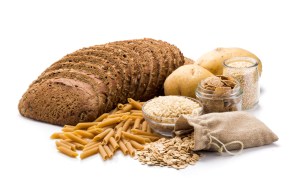
A natural response of anyone having stomach issues is to eat bland, low fibre foods. Yes, that’s right: carbs, carbs, carbs. Although eating carbohydrates in high quantities isn’t generally recommended, for Crohn’s sufferers they can be lifesavers. Potatoes, white bread, pasta and rice are all staples when I am going through a rough patch. I also opt for lean meats like chicken or plain grilled fish such as salmon because I know I can digest these well. Occasionally I will have some dairy free yoghurt or a plain pastry like a croissant if I fancy something sweet. As for fruits and vegetables, ripe bananas or well-cooked carrots are usually okay for me but that’s about it, though I know many people say apple sauce is okay for them too. Remember, everyone has their own repertoire of “safe foods” and this can vary greatly.

Tip: Try to minimise the amount of oil you consume during a flare as this can aggravate your symptoms more. Bake, steam or grill proteins instead of frying. I also find that too much sugar aggravates an already sensitive tummy, so reduce this as well if you can.

This is the kind of “safe” diet I would automatically retreat to if things started to get a little dodgy back in the earlier years of my Crohn’s. Sometimes I was even lucky enough that if I’d eaten something that didn’t agree with me, a couple of days of plain stodge would put things right again. But unfortunately, almost ten years of disease has taken its toll and now things aren’t quite so simple, which brings us to approach number 2.

2. The soft foods/ liquid diet

Now, I’m not talking about EEN (exclusive enteral nutrition). I am talking about only eating foods that are entirely or partially liquid in form. This can be anything from blended soups and the classic bone broth (we used to make huge batches of chicken broth using the leftover carcases from our local butcher), to yoghurt, ice cream and pureed veggies. The logic is that if the food you consume is already partially broken down, it is far easier to digest when your system is having a tough time. Just imagine your digestive system is like a baby’s- it needs a little help! The only issue is knowing where to draw the line between liquid and solid- I must admit that at times I found myself trying to justify peanut butter as a liquid because I had a craving for it!

Tip: If I am flaring in hot weather (which happens a lot as the heat doesn’t do me any good at all), I sometimes freeze fruit squash into ice lolly moulds. It’s a great way to cool down and boost your fluid intake as well as feeling like you’re enjoying a relatively normal summer treat!

But as many Crohnies will know, sometimes even this approach isn’t enough to relieve symptoms. In this event, EEN may be suggested to you by your IBD doctor. However, there are many circumstances which may mean that this is not feasible i.e. you can’t tolerate it (an issue I have had whilst trying to do EEN on antibiotics), or you are not allowed to do it exclusively (an issue I had whilst enrolling in a clinical trial).

Tip: If for any reason you cannot do an exclusive liquid diet, you may be able to do a partial one. This would mean combining some food with supplement drinks. This prevents you from losing too much weight and replaces some of the essential nutrients that you’ve likely lost.

Otherwise, without further ado, I give you approach number 3.

3. The “nothing’s making any difference so what the hell” approach

In really bad flares I have found that the above two diets have had relatively little effect at all, other than making me miserable. Even EEN has recently not had the miraculous impact on my symptoms that it used to, likely due to scarring and the severity of my disease progression. In these situations, I have thought “sod it” and resorted to eating basically whatever the heck I want in order to at least keep my mind and palate happy! I mean, I don’t go nuts and eat a curry or anything, I just eat within the realms of what my “normal” diet would allow (I wrote another post about this if you want to see what I can tolerate when I’m well).

What a lot of people don’t realise is that people with Crohn’s (and Colitis for that matter) end up spending a lot of time alone at home during a flare and it can be lonely, not to mention boring. I personally really enjoy cooking. I find it very therapeutic and I really miss not being able cook when I’m on a liquid diet. Plus, I have always been someone who appreciates food a LOT (even though it doesn’t seem to like me very much…). Therefore, if I’m down and my flare is so bad that no amount of restrictive or “safe” dieting is having an effect, I have been known to just “power through” (if I’m physically able that is) and carry on cooking and eating normally anyway. Regardless of how poorly I feel, I look forward to meals and it may sound silly, but it really helps me get through the endless days of terrible symptoms. So, though I don’t advocate the trap of emotional eating as this can become unhealthy, I would say that there is nothing wrong with taking some pleasure in a lovely hot plate of spag bol when you’re having a bad flare day. 😊 Plus, its better to eat whatever you want than to eat nothing at all, you have to get nourishment from somewhere after all!

So, there you have it, my three main approaches to tackling food in a flare. But, which one is best? Honestly, this depends on the severity of the flare and even then, there rarely is a “right” answer when it comes to dealing with Crohn’s or Colitis. Personally, the “safe foods” approach was my go-to in the early stages of my disease, but now it’s basically redundant. The partial liquid diet can be useful for short periods of time, but generally this isn’t enough for me I end up on EEN anyway if my situation allows it; it is by far the best way to prevent extreme weight loss and malnutrition. But, inevitably at some point you will probably find yourself doing approach number 3, though this isn’t exactly ideal either.

At the end of the day it’s up to you to decide how bad your symptoms are and figure out through trial and error which diet benefits you the most during a relapse. Just be aware that this may change over time and if in doubt, talk to your doctor or dietician. And remember, your mood and mental health are just as important as your physical health. Sometimes having that cheeky croissant may actually help rather than hinder you!
Ustekinumab, Anaemia and More Surgery.

mobile-mri

Ustekinumab

After my nightmare stay in hospital, I was finally feeling hopeful that Ustekinumab may be the drug I’d been looking for. Nothing is ever quick however, so I spent the first few weeks back at home just getting by, waiting for the day that I would wake up and feel something other than terrible. And after about 4 weeks, that day finally came. I had been keeping track of the amount of times I’d been to the toilet for several months- that was always key in determining how bad things were, and it had decreased slowly until one day I realised that I wasn’t in anywhere near as much pain and I’d only been to the loo twice! I was over the moon, after months of the worst flare up I’d had since being diagnosed, I thought I was finally out of the woods. That week I enjoyed all the home cooked food I’d long been craving but couldn’t manage to eat, and I indulged in my first uninterrupted lie-in for months.

But my relief was short lived. After merely a few days, I started to notice things slipping backwards again. I tried not to panic or jump to conclusions. Maybe it was just a blip? Maybe it was something I ate? But things weren’t sorting themselves out and after a few more days I quickly decided that, rather than let my symptoms go back to rock bottom, I would salvage the situation by putting myself back on Fresubin as I still had a quite a bit left over in my garage from before. At first I tried to balance a couple of doses of Fresubin with some food, hoping this would be enough to keep my symptoms at a stable level. But with more decline I decided to stop eating again and go back on an exclusive liquid diet. What had happened? I thought the Ustekinumab was starting to work?

Anaemia and abscesses

Then my doctors decided that my anaemia was probably contributing to how ill I was feeling again, and they told me to try some iron tablets, seeing as iron infusions clearly aren’t for me! But apparently iron tablets aren’t for me either, as a couple of days after starting them I went from 3 vaguely solid bowel movements a day to about 5 completely liquid ones and, without trying to be too graphic, the blackness of the stool clearly proved the iron was the culprit. My doctors told me to stop taking the iron which did clear things up a little, but I was still far from feeling fantastic. Since my surgery I had still found it uncomfortable to sit down. The major lump that was initially preventing me from sitting had gone, but things were still very sore, and putting pressure on the area obviously made it worse. I put this down to the fact that I now had an open wound which also wasn’t overly comfortable. I decided to invest in something to help me out: the humble donut cushion. It proved incredibly useful and I spent most of my days sitting on the cushion for support. It wasn’t until I tried to take a quick trip to the doctor’s surgery in my mum’s car without the cushion that I noticed that I couldn’t sit down again at all. It had definitely gotten worse; I just hadn’t noticed because I’d spent all day every day sitting on the cushion! By this time, it was May and I was due my second dose of Ustekinumab; the dose that would essentially decide if I were to stick with it or if it was ineffective. When we got to the hospital, I explained that I couldn’t sit down again and that I feared the abscess had come back, or that I had a new one- not that any explanation was needed as it didn’t take long for the nurse to notice my incredibly awkward sitting position on the infusion chair! She called the IBD registrar to take a look and informed me that if I had another suspected abscess, I may not be able to have the second dose of Ustekinumab.

I explained my previous surgery and my symptoms to the registrar i.e. I couldn’t sit down because it felt like I was sitting on a golf ball and I kept getting a downward rushing sensation in that area. He said that he couldn’t feel anything and that it was probably just the remanence of the last abscess or that I simply hadn’t got used to the seton yet; exactly the response I got from my consultant when I emailed her before the appointment. I was unconvinced. I told him that these symptoms were similar to what I experienced before the surgery and that they had gotten a lot worse recently. I asked if I could have another pelvic MRI to see if anything was wrong- I did not want to leave it to develop even more just because no one would believe me! He agreed to refer me and after some deliberation, it was decided that I would get the second dose of Ustekinumab anyway. It was unclear whether the drug caused abscesses or whether it could actually help them, but all we knew was that this was the first time I had responded to anything for months. Even though it was only for a pathetic 7 odd days, it was something, and I didn’t want to ruin the drug induction by not receiving the second dose when I should have. Some people only fully respond after two doses and I wanted to give Ustekinumab every chance of working.

MRI scan

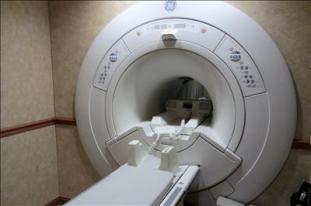
About a week later I received an appointment for the MRI I’d requested: the 6th June. It wasn’t at my usual hospital, but that was the only way I could get one soon enough. That was definitely the most uncomfortable MRI scan I’ve ever had. It was done in a mobile unit in a hospital car park and it was FREEZING! You only wear a paper-thin hospital gown for the scan and the unit was like a refrigerator, which subsequently meant that the few tiny traces of veins I had went into hibernation and it took over half an hour to get my canula fitted. The machine was also the tiniest one I’d ever seen- lucky I was still pretty underweight from my flare up! But all that aside, I got the scan done (eventually) and soon I heard the results. My suspicions were correct; I had now had an even bigger abscess than I’d started out with and a series of incredibly complex fistulae all over the place. I was told that I needed urgent surgery and that a seton probably wouldn’t cut it this time (if you pardon the pun). I was immediately put back on antibiotics to prevent septicaemia, but this meant that I had to stop the liquid diet again, as the combination of both always made me sick. My symptoms rapidly declined to rock bottom again, it was clear that the Ustekinumab had failed me. Because of this, I now had to resort back to starving myself for several days before going to my pre-assessment at the hospital, and before going up to London again for the surgery which was scheduled on the 28th June.

Surgery take two

I was given a morning appointment, which meant that I had to get up at around 4am to make it to the hospital before 7 am when the department opened. After about an hour I was called to be pre-assessed and spoken to by an anaesthetist. By now I was in so much pain and discomfort that I didn’t even care about being seen in public with a giant donut cushion. I did get many strange stares and even the nurse doing my blood test and another doing my pre-assessment both quizzed me about why I was carrying it- even though the latter had paperwork in front of her telling her why I was there! I will never understand how people can be so ignorant. Anyway, after another hour or so I was called through for the last time, so I said my goodbyes, left my mum with my luggage and went through to the patient changing area. I was told that there were only a couple of people before me and that their operations would only take about 30 minutes, so I expected to be waiting for no longer than an hour or so. But time went on and on and on, and I was still sitting there. Trying not to look impatient, I waited for 3 hours before asking what was going on, only to be told that the admin staff had no idea who I was or what I was waiting for! It took the nurse about another hour to even find my file and then she told me she would get back to me. By this time, I had been waiting alone in my hospital gown for over 4 and a half hours. I had seen other people come and go; a couple of people had even been called through to get changed, had their surgery, gone to recovery, come back, got changed and gone home- and I was still waiting to be called! Eventually I was told that they were still expecting me but that there had been some kind of “issue”. No one could tell me what was going on, so I just had to sit and wait. Luckily I still had my phone- not that it was much use as there is never any signal in the hospital. I wondered round for a bit seeking just one bar so I could phone my mum and tell her that I hadn’t even gone in for surgery yet as she’d expected to have met me in recovery by now! All the while I obviously wasn’t supposed to eat or drink anything, but because they kept me waiting for so long and I was already so dehydrated, the nurse had to give me literally a thimble of water every hour to keep me going. Finally, at about 5:30pm, the surgeon came to get me after a staggering 10 and a half hours in the department. He still didn’t tell me what had actually happened, he just told me that they weren’t sure if they’d actually be able to see me in the end. What a joke, I thought! It’s just as well they did, for their sake!

I wasn’t sure what they would do in the surgery, I only knew that it was far more serious than before and clearly the original seton hadn’t kept the perianal disease at bay. I asked if I would have the fistula tracks laid open as this was the only other main treatment for fistulas that I knew of, but I was told that that probably wouldn’t be possible given the position of the tracks. They ran all between the sphincter muscles which control your bowel movements and if they were to be cut, I could become incontinent- just about the final straw in my disease at this point and something I obviously needed to avoid at all costs.

I woke up in the recovery room just like before; still out of it and not registering the pain because I was on morphine. Later on, I was taken up to the surgical ward that I would be staying on for goodness knows how long and after some time I was reunited with my mum and my dad came over after work. Even though I didn’t have full feeling in that area, I knew that something quite drastic had been done given the amount of padding all over my bum! Naturally, as a Crohn’s patient, my first fear was that I would need the toilet immediately and that I wouldn’t be able to go with all that stuff attached to me! But the nurse assured me that despite how severe my symptoms were before my surgery, the anaesthetic would “put my gut to sleep” and I shouldn’t need to go for a bit. I basically just went straight to bed that day, hoping that when I woke up I wouldn’t feel as bad as I feared and having absolutely no clue what was next for me in terms of treatment after Ustekinumab. I had taken a gamble opting for that instead of re-starting the Risankinumab trial and it hadn’t paid off.

Looking back

Firstly, I just want to highlight how important it is to be heard when it comes to your health. As I’ve said before, no one knows your body better than you. Don’t let your instinct get pushed aside or your voice be silenced, make it known if you think something is wrong and don’t take no for an answer. If I hadn’t requested that MRI scan, I would have ended up in a much worse state. Even if you aren’t 100% sure that there is anything drastically wrong, if it will give you peace of mind, asking for an appointment or scan is well worth it.

Secondly, this experience really taught me a thing or two about being patient. I’ve done my fair share of waiting throughout my Crohn’s journey- and not just for test results or for treatments to work. Once in paediatrics, the receptionist lost my notes after signing me in. The clinic was closing and they still hadn’t called me. We had been waiting for hours and they were literally turning the lights off with us still sitting there! With anything medical you have to be patient; I’ve learnt that the hard way. All you can do is bring with you something to do or read and occasionally check up with someone in the know just to make sure they are aware of who you are and what you’re waiting for.

Lastly, my experience with Ustekinumab is probably one of the most bizarre of all the drugs I’ve ever been on. In the past I have either responded well to something initially, or simply not at all- there was never much in between. So, the fact that the drug seemed to work for a single week and then stop was weird even by my standards! It just shows that literally anything can happen, so never jump to conclusions about a treatment. But more importantly, as hard as it is, try not to think “what if…?” When I realised that Ustekinumab wasn’t working, I instantly thought: “I should have re-started the Risankinumab trial. Why didn’t I do that instead!” But I couldn’t possibly have predicted whether or not Ustekinumab would work, nor could I have known whether Risankinumab would have worked any better. Perhaps that would have failed as well. The point is, sometimes you have to make decisions, tough decisions. Although it’s natural to wonder about the other potential pathways you could have taken, try not to get caught up in regret- especially seeing as when it comes to health, there usually isn’t a “right” decision and a “wrong” decision. Embrace what you decided to do, accept that you can’t change that and realise that you’ll never know how the other option may or may not have panned out, so there really is little point in fretting over it.

Surgery, Anaphylaxis and Ustekinumab.

150612-surgeryoperation-stock.jpg

Being admitted

I was admitted to hospital on March 15th, 2019 for my first ever surgery. Even the journey to the hospital was a nightmare. I felt like I’d reached an all-time low with my internal symptoms, and my extra-intestinal symptoms had also reached rock bottom. The erythema nodosum which I had suffered from so badly several years ago came back with a vengeance, this time accompanied by extreme joint pain- later confirmed to be enteropathic arthritis. In the lead up to my admission, I had spent my days going to the bathroom in excess of 20 times, vomiting constantly, permanently feeling like I could collapse from dehydration and being relatively immobile. I could barely take a proper shower as my legs couldn’t handle the strain and to make it to the toilet I was forced to use some old crutches we had lying around from my dad’s previous motor bike accident. And now I also couldn’t sit down because of the pain of the abscesses, which were also causing on and off fevers.

After a car ride from hell, I finally arrived at the A & E department in my hospital in London- this was the quickest way to admit me to a ward. I went through the usual process of being weighed and getting a canula fitted and was then sent up to the gastro ward. I was thrilled to be told that, for the first time ever, I would be getting a room and a bathroom all to myself! It was actually pretty cool to be honest; I’d had nightmares about my former times on the children’s ward and didn’t know if I could bare the sleepless nights or the “jingly jangly jungle” theme tune playing perpetually on the tv. Instead I had my own space with a rather nice view of London.

Eating whilst in hospital

I was told that because I was so unwell I could try a liquid diet whilst I was in the hospital, but that soon proved almost impossible. Anyone who has done a liquid diet before knows how difficult it can be to stomach, particularly when you are especially unwell and feeling nauseous to begin with. Though I don’t wish to sound like the ungrateful patient, I am afraid to say that the hospital staff did not adequately cater for my dietary needs in the slightest. They told me that they barely had any Fresubin and that there wasn’t enough space to refrigerate any- not even one bottle at a time. What they did have was the incorrect calorie concentration and flavours that I wasn’t used to and couldn’t stomach, and I was told that they couldn’t order any more. Then they started giving me Fresubin with added fibre! This obviously only made my symptoms worse and ended up making me even sicker than I started out. Not to mention the fact that, although I understand hospital staff are busy people, they only came to give me a Fresubin every 4 hours or so (and only when reminded), when they are supposed to be given every two hours- and rarely did anyone come when I pressed the call button. After several days of this I gave up and had to return to normal food. Or should I say, hospital food. Hospital food still astounds me and given the recent uproar in the quality of food given to patients, I would just like to share my disappointment with regards to which foods are given to gastro patients in particular. We are gastro patients for a reason, we have digestive issues. Although everyone is different, common trigger foods include dairy, spice and fibre. So, 99.9% of the patient menu which featured macaroni and cheese, 5 bean chilli, various curries etc.- all of which were totally inedible for me. I requested both an “allergen free” menu and a vegan menu (even though I’m not vegan!), but the most I was given was a microwaved chicken breast that had as much flavour and texture as a piece of cardboard, and some carrot which resembled watery baby food. It even took the catering team over an hour to track down soya milk for some cereal, even though it was advertised on the menu. Just one week in the hospital and my bowel frequency went up by at least 5 or 6 times a day and my abdominal pain skyrocketed. And the response when I complained: that I should just get my parents (who live about 2 hours away) to bring me all my food every single day. How accommodating.

Abscess surgery

Anyway, now that my little rant is out of the way! I went into hospital on a Friday and was soon told that there was a slot for me to have my procedure on Monday. I had all the usual tests beforehand, including a pregnancy test and another MRI, and soon I was given the all-clear. I had to be wheeled down to theatre as, in addition to my arthritis and erythema, at this point one of my feet had swelled up so badly I couldn’t physically put an ounce of pressure on it. (I did have an ultrasound to check for potential blood clots, but nothing was found- thank goodness!) All I remember was getting to theatre and being greeted by a rather strange surgeon who asked me to “explain in [my] own words what I wanted from this procedure”. Was that a trick question? Was he expecting a detailed medical answer? Being a pretty straight-up kind of person, I replied: “For you to fix my bum”. He laughed and said that no one had ever been that honest before. And in a matter of minutes, I was knocked out.

When I woke up from the anaesthetic, I felt surprisingly okay. I was expecting a lot of pain, but I couldn’t really feel anything; I suppose that was the pain killers. I stayed comfortably in the recovery room for a couple of hours before being taken back up to my room. I was soon visited by the doctors who informed me that the procedure had gone well and that I had had the abscesses drained and a seton fitted. At the time I was all bandaged up, so even when I eventually went to the bathroom, all I could feel was a lot of gauze. But when that was eventually removed, I got to see (well, feel) my seton for the first time. It’s a strange sensation having surgery and then coming face to face with your new body. And it was particularly strange for me as I couldn’t actually see what had been done given its slightly awkward location! But I could feel a 2-3 cm cut with a loop of string in it. At first the string was a little scratchy, but I could finally sit down! I remember the first time I sat on my hospital bed after surgery- it was amazing! The lump had completely gone! The doctors told me that I would need to use dry gauze on the wound to absorb any leakage probably for quite a few months and carry on with the antibiotics that I’d been taking for a few weeks to prevent septicaemia, but other than that it should be under control for now.

Bad news

Now all that was dealt with, it was time to think about my actual treatment again! Two days after my surgery, I was visited by two of the main research team and the head of IBD. Unfortunately, they brought bad news. They told me that there was actually a set time frame in which I needed to have been given the first dose of the trial drug (Risankizumab) after completing the screening faze, and because of the delays and all my complications, the deadline had passed. They tried to appeal to the main association running the trial, but they denied my request to continue despite the extreme circumstances. If I wanted to enter the trial, I would have to re-start the entire 3-4-month enrolment process and go through the (incredibly painful) investigative procedures all over again, which would be made particularly difficult given the surgery I’d just had. My heart sank. Was this really happening? Even the head of IBD told me that at this point he wouldn’t blame me if I told the researchers, in no uncertain terms, to “do one” and took Ustekinumab instead. Honestly, I was tempted. I really didn’t think I could handle doing all that to my body again, not to mention the fact that it would massively eat into the time I had to sort out my health before the new university year started again! After multiple consultations and discussions, I decided that the trial wasn’t meant to be and that I would take Ustekinumab instead- which I now could receive much faster as an inpatient.

Anaphylactic shock

So, after that bombshell it was actually my 20th birthday on the 21st of March. I know, what a great way to spend it- having just had surgery, stuck in the hospital feeling like death and having just been told that the treatment I’d spent months preparing to receive had just collapsed. But hang on a minute- things were about to get 100 times worse, of course! I started my birthday with a modest bowl of soggy cornflakes and then got a call from my mum saying she would be at the hospital at about midday. So, I spent my morning optimistically reading a book from my university reading list for next year and getting the usual blood tests done. After my IV fluids were given, a ward nurse told me that it had been decided that I was to receive an iron infusion in attempt to treat my anaemia. I was a little confused by this. Don’t get me wrong, I knew I was anaemic- I had been since I first became ill. But it was never bad enough to cause any kind of intervention, or so I thought anyway. The doctors however were adamant that it was either that or a blood transfusion- not something I was about to volunteer for, so I agreed to the infusion. The nurse brought the bag of mud coloured fluid into my room at about 11:45am, so I thought that she’d just hook me up and then be gone by the time my mum got there. But she informed me that she had to stay for a bit just as a precaution and to fill in some paperwork. I asked why the “precaution” was necessary and she just said that some people have reactions like skin rashes to iron sometimes in the first 20 minutes or so of the infusion. But she told me that it was pretty rare and that I’d be fine. Famous last words.

The funny part was that when she told me she had to stay, I was actually a bit annoyed because I kind of needed the toilet! I thought if she hooked me up, I could then wheel my drip to the loo and go in peace, but now that clearly wasn’t going to happen. So, I sat on my bed as she connected me to the infusion and started the drip. She just sat in the corner of my room and started filling in some forms. I watched as the iron travelled down the tube and reached my canula thinking how gross it looked. Shortly after it entered my vein, and I mean literally a few seconds, my stomach started to feel really peculiar. I thought at first that it was just my usual cramps or discomfort, but in a few more seconds it started to get worse. Could it be the iron? No, it’s probably nothing I told myself. You’re just being paranoid because the nurse told you about the risk of a reaction. No, it DEFINITELY is a thing. About ten seconds in and my stomach felt like it was contracting, and I started to feel really dizzy all of a sudden. I just about had time to mutter “I feel really weird”, the nurse looked up and said (laughing) “weird how?” And in that moment I came over all hot, my lungs felt like they had collapsed in on themselves and my head flung backwards like some weird reflex that I had no control of. That’s when I blacked out.

I am not sure exactly how long I was out, but I started to hear this faint buzzing and people shouting my name. It’s hard to explain, but I felt like I was getting slowly closer to the sound until it suddenly came into focus and I tried to open my eyes. My eye lids felt so heavy that I could barely see out, but what I did see was about 20 unfamiliar faces in hospital masks crowding around my bed, manically trying to wake me up. Then I realised I was wearing an oxygen mask and that someone had pulled my top up from my chest and I had a whole bunch of monitors attached to me. Then I felt someone squeezing my bare legs (trying to get the circulation flowing) and someone else shouted “flush the iron out and then rip out that canula now!”. I was being stabbed in all manner of places on my arms and hands and, although everyone was trying to talk to me, I felt completely paralysed and couldn’t move my mouth to speak. Then in amongst all the commotion, I faintly heard my mum outside my room in a panic demanding to know what was going on before pushing through all the people. I remember seeing her blurry face at my bedside in a daze before someone whisked her out of the room. I could feel myself beginning to drift away again and then one doctor said that she couldn’t feel a steady pulse and told someone to give me adrenaline immediately.

The rest is all a bit of a blur, but I believe it took over half an hour to get me to a relatively stable point, and even then my heart was not beating regularly. I had to stay attached to various monitors and have ECG scans repeated for a while afterwards to check there was no lasting damage. When all that was going on, my mind was completely numb; I really didn’t think or feel anything much. It wasn’t until after things had settled down, all the emergency staff had left, and the doctor explained to me what had happened that it really hit me like a ton of bricks. I was told that I had gone into anaphylactic shock and that it was the quickest they’d ever seen anyone react to an iron infusion like that. If I had been out for any longer and my pulse hadn’t recovered with the adrenaline, there’s a pretty good chance I would have gone into cardiac arrest or ended up with long term damage to my body. Once my mum was allowed back into my room, the nurse stepped out for a second and I had a massive realisation about what had just happened, and about how lucky I was that it didn’t escalate any further. It was only for a few seconds, but I did let out a few tears. My mum was equally shocked and overwhelmed; she had just turned up in the middle of all the chaos with a dairy free Carl the caterpillar cake, some banners and all my birthday presents ready to wish me a happy birthday!

I did eventually get my cake, which was delicious! And I spent the rest of the day, despite being monitored intensely by the ward staff, opening presents and perpetually thanking the nurse who stayed with me at the start of the infusion for pressing the emergency buzzer when she did- she was just as freaked out as I was apparently! That was easily the weirdest, the scariest and the worst birthday ever. And after that experience which I certainly didn’t want to repeat any time soon, I decided that I’d just have to be anaemic for the time being!

The following day I was told that it was safe for me to start Ustekinumab- albeit with someone in the room monitoring me after what happened the day before! As it happens I was fine, and I felt so relieved to finally have been given some kind of treatment. Later that night I got my antibiotic prescription and was discharged home after easily the most traumatic hospital visit I’ve ever experienced.

Looking back

Firstly, I would like to comment on the theme of “invisible illness”. Crohn’s is commonly labelled as such because, although there are many extra-intestinal symptoms as well, the main symptoms are not obvious in comparison to a typical “disability”. When I was admitted that March I could barely stand up, and I certainly couldn’t walk unassisted. I was given a wheelchair-style seat in A & E, but there was a shortage of proper wheelchairs so this particular one could only be wheeled from behind i.e. not by me. When I was called to get my bloods done, the nurse stood in the doorway of her consultancy room and shouted my name, so I just kind of reached my hand up to show that I needed to be wheeled. Her reaction was priceless. She just tutted and rolled her eyes, as if she was bitter about the fact that she had to walk several meters and push me into her office and gave that disapproving stare that said: “why are you in a wheelchair, you look fine”.

Then when I was on the ward, I was given IV antibiotics which did in fact help my legs to a point where I could just about walk unassisted to the toilet. So, when a pre-arranged porter arrived in my room to take me down to surgery and saw me hobble to the toilet, he started grilling the nurse about why a porter had been ordered for me when I was clearly able-bodied, as if I couldn’t hear him and wasn’t even there. Disability is always a difficult topic to discuss, mainly because the line between disabled and able can be pretty thin in some cases. Was I not disabled enough to deserve a wheelchair or porter? Unfortunately it seems that a lot of the time I have to justify my illness and its effects on my body to other people in order to get help, simply because they don’t understand the nature of chronic illness and assume that I look “normal”, so I should automatically be able to do the same things that “normal” people can do. I only wish this stigma didn’t exist.

In terms of my nightmare infusion, it’s a real lesson in better safe than sorry. If my ward hadn’t of prepared adrenaline shots just in case of emergency, or if that nurse had neglected her post for even a few minutes and left me alone, I’m honestly not sure where I’d be. I always say that even the small aspects of having a chronic illness humble me and make me view life from a different perspective, but my experience with anaphylaxis brought that feeling to a whole other level. It made me really appreciate being alive, despite how bad I might be feeling, and made me determined not to take anything for granted in the future.

Clinical Trials, Abscesses and Fistulas.

patients_slider-8842

Clinical trial enrolment

In late December 2018, I began the process of entering a clinical trial for a new biologic called Risankizumab. The first thing anyone looking to enrol in a trial will likely have to do is a “washout period”, basically where you stop taking all other treatments for about 6-8 weeks to ensure that you start the new drug as a clean slate. In the new year I was then able to begin the screening process of the trial which involved lots of tests like bloods, x rays and colonoscopies as well as meetings with the research team. This was only my second time having a colonoscopy with sedation rather than a general anaesthetic and, although I was told that some people respond really well and practically sleep throughout the whole procedure, I felt no different after they had given me several injections through my canula. All I remember was how unpleasant the experience was; firstly, because this was the very first time I had the chance to actually watch the live footage being captured by the scope on a wide screen. It was like a virtual reality tour of my insides and believe me, they were not pretty! And secondly, because the last thing anyone with severe active disease and impassable strictures wants is someone shoving a tube through their colon. I spent about 40 minutes in agonising pain squeezing the hand of one of the nurses. At one point it was almost unbearable, and the doctor said that he could stop if I wanted, but I needed the test results to enrol in the trial, so I had to grin and bear it.

In line with how painful the procedure was, the results showed severe and widely distributed inflammation and several tight strictures- exactly the severity it needed to be for me to enter the trial. I had to sign a whole bunch of paperwork and I was told on leaving the hospital that it would take a couple of months to process all of my data before I could be properly enrolled. In the meantime, I had to start a patient diary which I would have to continue throughout the whole trial. This was basically an old remodelled phone in which I had to input daily data like my pain level and how many times I’d been to the toilet- these also needed to be over a certain number for me to qualify. Despite the incredibly loud and unpleasant alarm that went off at 8pm each day to remind me to fill in the questionnaire, I got used to it.

In terms of my symptoms however, I was struggling more than I had for years. Because being on an exclusive liquid diet excluded me from entering the trial, I had to go without any treatment at all for the 3-month screening period and during this time I experienced the worst flare up I had ever had. I had terrible joint pain and awful abdominal cramps, I was vomiting constantly and I was going to the toilet over 20 times a day, so I only managed to sleep in 30-minute increments before having to rush to the toilet again which meant that I was permanently drained and exhausted. I was futilely still trying to stomach a small amount of food, but I had lost so much weight and my anaemia had reached rock bottom; I looked like a shell of a human being and felt like one too. I couldn’t even take a proper shower as my legs couldn’t handle it, and I was so dehydrated that I kept collapsing and had to lie down all of sudden to try and prevent myself from passing out.

This was a very difficult and emotional time for me. I went to bed each night dreading waking up the next day and having to relive this nightmare over and over. I woke up wishing the new day would be easier but knowing that it wouldn’t be. Everything felt so futile. I was barely surviving; I certainly wasn’t living. The most I could manage to do in the few hours that I was actually able to keep my eyes open was to lie in bed watching some pointless tv show to try and take my mind of the pain and discomfort. I was also so lonely, something I’m sure you’ll understand if you have a chronic illness. Sure, some of my old friends from university messaged me occasionally, but I was never in a good enough place to talk on the phone or skype them, and most of the time I wasn’t even in the mood to text message. I tried to carry on being supportive of them despite what was going on in my life, but in all honesty it was hard always being the one who was forced to sit on the side-lines and congratulate everyone else on their successes whilst being stuck in an endless cycle of incapability. As sad as it sounds, it made me feel like a bit of a waste of space. It’s not that I didn’t want to do anything (I even naively sent out some cover letters for internships later on in the year), I just couldn’t. Not only was I missing out on the fun of being a teenager as I had so many times before, I felt like I was getting even more behind in life overall.

Luckily, I finally got a call saying that I’d been the third successful candidate to be entered into the trial from my hospital and my first infusion would be next week. I was obviously relieved- it couldn’t have come soon enough! But I was also apprehensive; I didn’t know if I was going to be getting the actual drug or just a placebo for the first 12 weeks! Then after this induction phase, I would either be moved to a maintenance trial if I’d been given the drug and responded, or if I hadn’t gotten the drug in the first place, I would then finally be given it. I just wanted to get the first dose over and done with. The only problem was that I was in such bad shape that travelling was almost impossible. It took 4 days of complete starvation to “empty” myself enough to even make the trip, and even then it was a struggle. But upon arriving at the hospital, I was quickly left devastated. It’s not like I was naïve enough to expect this infusion to be an immediate cure-all, but I had obviously considered the possibility that this may be the first step to feeling something other than absolutely terrible after months of suffering. But when we got to the trial lab, no one was there. I soon got a call from my main research consultant and she explained that there had been some kind of “mix up” and the only person authorised to administer my infusion was on holiday, so I couldn’t have it today. I can’t even explain how gutted I was for so many reasons, and my mum was far from amused. Although I could easily have made a scene, I knew it was no use. So, to make up for that gut-wrenching disappointment, the researchers who were there offered to pay for our taxi halfway home. I know, how generous. Another two-hour car ride later, I was at home again, no closer to getting treatment.

Abscesses and fistulas

I got a call the following day saying that I would have to go all the way back to the hospital the week after to have the first infusion, hopefully for real this time! So that meant a couple of days of miniscule portions of food followed by more starvation for the journey. But a day or two into that week in-between, I started to notice something a bit unusual. Being someone with a chronic illness who has experienced a plethora of symptoms over the years, I had become quite au fait with knowing my body and noticing new developments. And I began to find it a little uncomfortable to sit down. I know, that sounds really strange and I myself couldn’t put my finger on it. So, I went with the default approach: keep an eye on it for a few days and make sure it’s a “thing” before telling someone- I didn’t want to cry wolf after all, particularly as my place on the trial was conditional. But it soon became clear that this definitely WAS a “thing”. And unfortunately, given all my previous research on Crohn’s disease, I was pretty positive I knew what this “thing” might be. Literally within a couple days I couldn’t sit down at all. Seriously, it felt like I had a golf-ball sized and INCREDIBLY painful lump on my bum (sorry, there’s not exactly an elegant way to explain that…). I walked like I had really bad chaffing and had this strange rushing sensation to that area. I couldn’t believe this, on top of everything else, I now couldn’t do the one thing that I spent most of my time doing, sitting down! That’s when I emailed my research consultant and suggested that I thought I had an abscess and possible fistula. She sounded pretty surprised as it seemed to have sprung out of nowhere, but I kept quietly confident that this was what was going on. She told me to come up to the hospital as planned for my infusion anyway and she would have a look.

So, I did my four days of starvation and crouched awkwardly in the car for 2 hours and eventually made it back to the hospital again. My consultant “examined” me to say the least (OUCH!) and the look on her face suggested she was actually starting to believe that this may be something pretty bad. She told me that to be safe, she would take me down to the surgical department and get someone more experienced to examine me as well, as I couldn’t be given the first trial infusion with an abscess because the drug may expand it, or even burst it. Fantastic. So down I went to be examined again and the surgeon said that he thought it was likely an abscess as I’d suggested and told me that I needed an urgent pelvic MRI to find out the exact size and location. Great. Was it just me, or was the universe trying just about everything in its power to prevent me from having the trial drug!? My consultant then suggested that I be permanently admitted to hospital anyway as things were pretty diabolical all round at this point, but I knew that hospital food would only make my symptoms worse, as would the fact that it is basically impossible to get any sleep on a ward. Plus, there was NO way I was sharing a bathroom. There wasn’t anything they could do for me anyway, other than give me IV fluids. I liked my chances better at home.

Soon I was called for my MRI- the only plus side being that, as it wasn’t an abdominal scan, I didn’t need to drink any disgusting fluids. Always a silver lining. And a few days later I got the results. Turns out I had a 5mm intersphincteric abscess as well as a 1.5cm subcutaneous abscess with complex fistulae tracks going on down there. I was then told that I would need to be admitted to hospital as soon as they had a surgical slot for an EUA (examination under anaesthetic), during which the surgeons would decide what to do to sort it out. This delayed my trial enrolment even further as having any untreated abscesses was an exclusionary factor. In other words, they needed to be confidently dealt with before I could receive the drug. And before they could be dealt with, I needed a surgical pre-assessment to make sure I was fit enough to even have the procedure and to explain the potential outcomes- as they wouldn’t know what to do until after I’d been knocked out, I would have to consent to a number of possible procedures.

The pre-assessment wasn’t anything too exciting, they mainly just explained that the most likely option was drainage of the abscesses and the placement of a seton- a loop of string which would be threaded through the fistula tracks and left indefinitely to allow any remaining fluid to drain. Obviously this wasn’t a particularly appealing prospect, but I didn’t have much of a choice and I just wanted this sorted so I could finally get some treatment for everything else! And soon I finally got an admission date for the procedure: March 15th 2019, six days before my 20th birthday.

Looking back

The first thing which strikes me when remembering all this is about friendships. Although we’re great people obviously, friendships can be difficult when a chronic illness is involved. I was lucky in that I had a couple of close friends who really tried to understand and stood by me even though I was far away. But at the same time, I would be lying if I said that my battle with my illness hadn’t affected some friendships, and in certain cases ended them. Some people, quite understandably, just don’t know what to say. That isn’t necessarily the issue. The issue is when people don’t know what to say and consequently try to compensate by giving some (I’m sure well-meant) advice about how you should deal with your struggles like “being more positive” or sleeping it off. Yawn. This got rather tedious for me.

I had other friends who felt bad for me and guilty for confiding in me about their own problems. They thought the trivial nature of their concerns paled in comparison to mine and eventually they stopped sharing them with me, which ended up creating a real distance between us. I even had one friend who, after a rough patch in our friendship, flat out told me that being friends with me was (and I quote) “a lot” and she couldn’t deal with me talking about my health anymore. Well, sorry I thought, that’s part of my life, so if you can’t handle it don’t be friends with me. It’s true, friendships are complicated when one person has a chronic illness. But that doesn’t mean that all of these friendships are doomed to fail. There are people in existence who are sympathetic without feeling pity, who try to understand and support you whilst accepting that they will never fully relate to what you go through. You just have to find them and hold onto them! One thing I always make sure I do though is to tell new friends that despite whatever is going on with my health, they can always talk to me about anything and that, just because I battle with my health more than a lot of people, it doesn’t mean that their issues aren’t equally important.

Another important thing to take away from this time in my life is about knowing your body. Whether you have a health condition or not, being able to keep tabs on your body and notice when something is different is always essential. Whilst you don’t want to be calling your doctor every other day if you notice a tiny spot (they may not take you seriously after a few false alarms!), you do want to be vigilant and proactive in monitoring yourself and reporting any concerns if they persist.

Coming and Going, Adalimumab, Methotrexate and Yet Another Liquid Diet.

AbbVie_Humira_adalimumab

Going back to university

When I finally returned to university in the autumn of 2018, I was so excited to be back. Although most of my friends from first year and my old flatmates had moved off campus, as a “disabled” student I was entitled to remain in a dorm. This meant that I would be living with a whole bunch of new people- perfect for a fresh start. For the first few weeks it was going well; I was eating normally, I had good attendance, I met up with some of my old friends and I was even indulging in the odd night out with my new ones. I was doing my Humira injection every other Friday morning and was getting supplies delivered to my dorm by a drug company. But the patchy symptoms that I began to develop just a couple of weeks before whilst on holiday hadn’t quite warn off. I tried not to be concerned and to just carry on, I was determined that this year would work out. But soon things began to slip from my control again. My appetite was starting to decrease, unlike my loo frequency which seemed to be creeping up once more. I quickly got in touch with my doctors with the aim of catching things before they got any worse, and they referred me for a blood test at my nearest hospital which was about an hour away by bus. When the results came in I was told by my consultant that my inflammation levels had gone up again.

Methotrexate and yet another liquid diet

Knowing how desperate I was to remain at university after last year’s disruption, they told me to increase my adalimumab injections to every week instead of every 2 weeks and prescribed me methotrexate- an immunomodulator originally used in the treatment of cancer. But after a few weeks, things were far worse again and I was back to the misery of being unable to leave my dorm room (I had my own private en suite and bedroom, but I shared a kitchen with about 10 flatmates). I have never been too open about my health, especially with new people, but it was pretty obvious to my flatmates that something was up after I went from my bubbly, chatty self to a complete no-show for over a week and a half. And soon I was so desperate that I had to tell someone, and a couple of my new flatmates really helped me get through. They would bring me things and check up on me- one of them even left the library to run to the pharmacy and sort out an urgent prescription!

Noticing my ridiculously low attendance, my personal tutor, who had previously helped me when my health had declined, got in touch and began suggesting that I take some time out of university. This time it would be 12 months withdrawal to try and improve my health and I would then tackle university again when I was more ready. But, being a notoriously stubborn individual, I was convinced that I could save this. I was willing to do anything. So, I got myself back on the liquid diet. Sure, this meant frequent trips to the university pharmacy, which I left wheeling a suspiciously large suitcase filled with endless bottles of Fresubin. It also meant that some of my other flatmates thought I was slightly weird for not eating anything, but I thought that this was my best chance.

But even with the liquid diet, I was missing so many classes that it got to the point where I was almost too nervous to go back as I was so behind. I wasn’t sleeping at all, so I tried to spend my nights catching up on all the work I’d missed from weeks before, but it was a futile battle and worrying about course work was only making me more unwell. I then started having the occasional “episode” where I passed out from exhaustion and dehydration. Throughout all this I was having weekly blood tests and my doctors soon confirmed that adalimumab was not working and that, in actual fact, it probably never had. The issue was that I’d been on the liquid diet since starting the adalimumab and because the liquid diet had a soothing effect on my digestive system, they had wrongly assumed that the drug was working when in reality it was having next to no effect. That meant that as soon as I started eating again upon returning to university, my symptoms got far worse as I no longer had the crutch of the Fresubin to numb them.

Leaving university

So, in December, after almost 2 months of struggling, I finally had to give in and make the decision to leave university (not that it was much of a decision by then). I would take a retrospective withdrawal for 12 months and re-start my second year in 2019. I still stayed in my dorm room until we broke up for Christmas, but at least as the decision to withdraw had already been made, I no longer needed to stress about anything. I simply spent my last few weeks resting and chatting with my friends and flatmates, having eventually explained to all of them the most part of what was going on. And after some hard goodbyes, I left university on the 16th December.

Now again in discussion with my doctors about what on earth to do next, it became apparent that my options were starting to look rather slim. I was offered two pathways. The first was to try a drug called Ustekinumab, another biologic but one which worked in a different manner to the ones I had previously tried. The other was to try and get enrolled in a clinical trial for a drug called Risankizumab, a process of receiving treatment that I had never considered before. I was incredibly confused about what to do, with both options having a lengthy list of pros and cons. If I opted for the Ustekinumab, I could start it much sooner and, as it was already approved for open label use, my doctors could easily monitor it. Risankizumab, on the other hand, had not yet been legalised and so, I would have to spend several months “screening” to enter the trial and the study was double-blind i.e. neither I, nor my doctors, would know if I was actually receiving the drug or just a placebo! Although that didn’t sound attractive at all, the early results for Risankizumab were far more promising than those for Ustekinumab and, given my lack of luck so far on the biologic front, maybe I needed something different. But I knew it would be the toughest thing I had ever done. Being on an exclusive liquid diet wasn’t allowed in the study and I knew that my symptoms would get MILES worse than they already were over a long period of time. But I also knew that if I opted for Ustekinumab and it failed, I would no longer be eligible for the trial! I had just under a year to fix all this so I could go back to university in 2019. So much to think about…

But after much deliberation and several meetings with the study team, I was persuaded to enter the trial. That may have been the point where I officially went mad.

Looking back

My experience with adalimumab taught me one of the most important lessons I could learn about Crohn’s: try not to overlap treatments. Because I was on a liquid diet when I started the drug, there were too many intervening variables. In other words, it was virtually impossible to clearly see the effects of the drug because the liquid diet itself was improving my symptoms. I know its difficult as many of the drugs used in IBD can take weeks, if not months, to show an effect and if your symptoms are particularly bad, it may not seem like a good idea to leave you untreated in the meantime. But just be wary of the role that things like steroids or a liquid diet may be having and be careful that your and your hospital’s judgement about a drug’s effectiveness isn’t clouded by other factors.

Another important message I took from this period of my life came from my decision to leave university. Sending my withdrawal application was still one of the hardest things I’ve ever had to do. I felt like my disease was winning and I was losing my new independent lifestyle, my friends and my degree. But sometimes rather than being stubborn, its important to realise that your health has to come first. And sitting here now knowing what happened next, boy am I glad that I was responsible enough to leave when I did. Still, coming to terms with the fact that my illness means that I may be living my life at a slightly different pace to other people my age is incredibly difficult. I just have to keep reminding myself that there are no rules about at which age you should achieve a certain thing. People can get degrees at any stage in their life, everyone is different. Sometimes the best thing you can do for yourself is take some time out, whether that be from education or work, and figure things out with your health. There is nothing worse than stress on top of a flare up and at the end of the day, your wellbeing is what matters most. After all, my university wasn’t going anywhere and, even though the people I met were moving on with their lives, my true friends stayed by my side. I may not graduate alongside my first-year friends as I had originally planned, but that’s okay. I’ll do it in my own time, I’ll get there eventually and I’ll make lots of new friends along the way too.

More Steroids, Another Liquid Diet and Adalimumab.

Fresubin-Energy-Strawberry_sp11808

Steroids

So, by Easter 2018 it was clear that my journey with infliximab was over and my doctors decided that whilst they figured out the next step, I should go back on steroids. I started on a lower dose than I had previously taken, but this had next to no effect and my symptoms were getting pretty unmanageable. So, it was quickly decided that I would have to go back on a full dose of prednisolone. I wasn’t exactly thrilled with this decision; although I never had the obvious “moon face” style side effect from steroids, the other effects certainly weren’t ideal and my last experience with steroids hadn’t been as successful as my doctors had hoped. But at this point I just wanted to try and stop things from getting any worse, so I agreed to take the standard 8 tablets a day before weaning myself off them. But this didn’t seem to be working. Not only were my physical symptoms barely any better than before, but I was also experiencing arguably the worst side effects that steroids had ever given me.

I just didn’t feel like myself at all. I felt detached from everything, I didn’t enjoy the things I used to, and I found it really hard to engage in any work from university or even something as simple as watching a film. I then became really withdrawn, to the point where I temporarily moved out of my parents’ house into my grandparents’ old bungalow on my own- much to everyone’s concern at the time! In my mind, I thought I would prefer to deal with things on my own and I wanted more privacy and freedom (plus having my own bathroom was pretty necessary at this point). Since starting the steroids, I also had the worst insomnia I had experienced for some time and I thought that being alone in a house would make it easier for me to sleep. So, I spent a good couple of weeks futilely trying to entertain myself with work, films or books (with little or no success) and failing that, I just tried to spend the whole day sleeping to forget about how awful I felt. At this point I knew I was in a rut and something clearly needed to be done; I had to stop taking the steroids.

Liquid diet

After I told my doctors that I wanted to stop the prednisolone, they ran some more tests and concluded that I had become steroid resistant after being exposed to them many times in the past- that’s why they weren’t controlling my Crohn’s flare. They then agreed that I could cease taking them and suggested that while they figured out what to do next (you’ll notice there is a lot of this waiting around for doctors to decide what to do in my journey with Crohn’s over the years), I should consider doing another liquid diet- that old crutch.

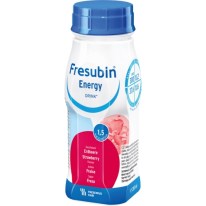
So, I reluctantly got myself a prescription and started yet another liquid diet. I must say though, I was pleasantly surprised that, as opposed to the Modulen which I had previously been on, I now was offered Fresubin- an alternative in lesser quantities. These were pre-made drinks in a range of flavours (something I wasn’t used to with the Modulen). Because of this, although it was still as difficult as doing a liquid diet always is, I found it easier to stomach than I previously had. It was 6 weeks of vanilla, strawberry, chocolate and banana supplement drinks for me now.

Adalimumab

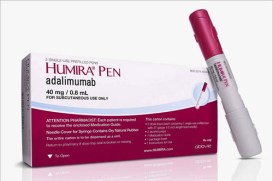
By June, my hospital had finally decided that the next step for me would be to try adalimumab- a biologic similar to infliximab, which I had previously responded to. Soon I was back up in London for my first dose; this time in the form of several injections. At first I was definitely sceptical about this format; I had only ever had infusions of infliximab through an IV. Plus, although by this point I was MORE than used to being used as a make-shift pin cushion, there was something which really made me cringe about having to inject myself. I had also read so many horror stories about how painful Humira injections were because of the citric acid used in the syringe, but I was pleasantly surprised to find that this had been changed to an epi-pen style dispenser. The injections themselves were done in my thighs and were relatively simple and painless; the nurse did the first one, I did the second. I did get a slight local reaction (i.e. a bit of a rash), but the nurse ensured me that this wasn’t anything serious. I was then given the details of the drug company my hospital was partnered with and told how to order stock that I could keep in my fridge at home. Once I got over the weirdness of injecting myself (relatively quickly actually), I was excited by the prospect of not having to drive 2 hours to London and 2 hours back every 8 weeks for an infusion as well as clinic appointments in between.

When I started adalimumab, I had been on the liquid diet for about 3 weeks, which meant that my symptoms were already improving massively as my bowel was resting. I was managing to do some exercise and have a few days out, but mostly I spent my summer revising tirelessly hard because, having left university at Easter and missing my first year exams, I was granted mitigating circumstances for my health and told that I could sit my exams at the end of the summer holiday instead and, presuming I passed, I could then return to university in September 2018 as a second year as I otherwise would have. I was relieved; I could continue my degree at the same pace as my friends, I just needed to sacrifice one summer and work hard. After a few more weeks I was feeling better still and even though I was still on the liquid diet, my doctors were convinced that the adalimumab was helping. Sure enough, I was able to sit my exams at the beginning of September, which I passed with flying colours (thank you). At this point I had just come to the end of the liquid diet and had started eating again without any immediate problems. To celebrate my mum took me to Sicily for a week, which was incredible!

But, even though I was as sensible as humanly possible (we self-catered and ate more or less exactly what I would have eaten at home as well as drinking only bottled water), towards the end of the week I started to get some mild symptoms again, but we just put this down to the change of scene – and climate; it was scorching weather and I really don’t do well in the heat! After returning home from a much-needed holiday, it was time to pack my things for my second year of study and, toxic waste bin and Humira injections in hand, I prepared to go back to university.

Looking back

Going on steroids on this occasion really taught me an important lesson: if a medicine is giving you unliveable side-effects, for goodness sake tell your doctors that you want to stop taking it. The side-effects would have been enough to put me off had the prednisolone been effective with regards to my Crohn’s symptoms, but the fact that it was ineffective AND causing me to feel terrible in other departments meant that for the first time, I had to make a case for going against what my doctors had suggested.

Prior to this, I would have simply gone along with it, but I knew my body, and the steroids just weren’t doing it for me at all. Its important to remember that as a patient, you shouldn’t sit quietly in the corner if you’re experiencing bad side-effects. At the end of the day, these drugs are supposed to enhance your quality of life, not hinder it. And, although I wouldn’t always recommend going against doctor’s advice, even gastroenterologists don’t know everything about Crohn’s- otherwise there’d be a cure by now and I wouldn’t be sitting here writing this blog! Its about communicating with your team and letting them know how you feel- physically, emotionally and mentally. For the best quality of care, your relationship with your doctors should be a two-way street- their theoretical knowledge of the disease and your practical experience of living with it.

As for self-injecting, that was a real first for me! It really showed me how adaptable people with chronic illnesses are. I suppose it’s a question of “needs must” and all that, but I remember a time when I was 10 or 11 (just before my Crohn’s journey kicked off) and I was adamant that I would never be pricked by a needle- be it for an injection, blood test or otherwise! I imagined it to be entirely traumatic, and even for the first few months of tests on my way to being diagnosed, I still professed to be scared on needles. If you’d have told an 11-year-old me that a few years down the line I would be injecting myself, I would probably have passed out. But there you go, having a chronic illness really teaches you how to adapt and get on with things without a fuss!


Infliximab, Antibodies and Mercaptopurine.

close up of a drip stand dispensing saline solution

Infliximab

Since my first signs of a flare in May 2013, my Crohn’s hadn’t been under control. It was now the 21st April 2014, and after struggling for over a year on steroids and antibiotics with little success, I was admitted to hospital again for investigations. It was supposed to be just the usual abdominal MRI and colonoscopy, but after my temperature soared post-procedures, the doctors feared that they had nicked me during my scope and caused an infection. So, what I expected to be a couple of days in hospital turned into over a week of IV antibiotics. Luckily, my temperature soon settled down, but the results of my tests were increasingly worrying. It was then decided that my only option was Infliximab, an anti-TNF biological drug that is supposed to keep the immune system from attacking the body. I was told that I would be given a “loading dose” whilst in hospital (a large starting dose) and then a follow-up maintenance dose every 8 weeks for the foreseeable future. Given my limited options and my complete trust in my doctors, I agreed and on the 30th April 2014 I had my first dose.

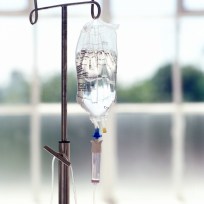
I’m not going to lie, I didn’t think I was nervous until I sat down on my hospital bed, the canula in my arm and the infusion hooked up in front of me. I just cried. Suddenly it became real. This was my life. But even though this medicine was a complete unknown to me, I knew I needed it. And sure enough, once the drip was connected, I calmed down. It felt so strange going into my veins, almost like I was drinking an energy drink! I felt hopeful, this had to work.

And it did! After a few weeks alone I had my zest for life back. My appetite returned and I went from spending most of day in the bathroom to only needing one trip a day! It felt like a miracle and I couldn’t wait to go back for my next dose. But after my second trip to London and my third, I did experience some unwelcome side effects. The “energy drink-like” feeling I had on first receiving the drug morphed into an excruciating and constant stomach pain which lasted for several days after the infusion. I couldn’t sleep through the agony and spent the first few nights after every hospital visit lying with a hot water bottle on the downstairs sofa watching re-runs of old tv shows through the night. But after these few days, the drug really kicked in, so I thought it was worth it. This was the best I’d felt since being diagnosed.

Double dose and mercaptopurine

But come September 2014, only 5 months after starting infliximab, slowly the seemingly miraculous effects of the drug began to wear off. Instead of feeling down for a few days after the infusion and then feeling well for 8 whole weeks until the next one, I could feel around the 5-6 weeks point that the impact of the drug was beginning to fade, and my symptoms came back. It was like my system could no longer wait 8 weeks for a top up. But at the time, unlike some other drugs, I was told that infliximab couldn’t be given every 6 weeks instead of 8. The only solution was to double the dose. And in December, that’s what we did. In the new year I began to feel a lot better again and my symptoms were better controlled on the higher dose, with frequent blood tests monitoring my drug levels. But my IBD team felt that the drug needed extra support from an immunomodulator, and despite my previously tricky relationship with azathioprine, they decided to start me on mercaptopurine (6MP). I must say, I didn’t really feel any physical benefit after starting 6MP, but I was reassured that it may take a while to get into my system and I would have to be patient to see results. But at this point, I was back at school and getting good grades, hanging out with my friends and enjoying a balanced diet, so I wasn’t complaining.

Erythema

The only real issue I was having, other than some mild, patchy symptoms here and there, was my erythema. The infliximab had definitely helped my mobility and seemed to soothe both my erythema and my joint pain. Nonetheless, my body’s inadequate immune system meant healing was always slow. My legs were still scarred all over; bluey red patches were everywhere and I still needed exemption letters- not just from taking part in P.E, but from being asked to change into my P.E shorts even though I wasn’t participating (whoever came up with that pointless rule anyway?!) This soon led to some suspicion on my teacher’s part. At the time, barely anyone knew about my health problems, only my closest friends and senior staff. So one day when I approached my P.E coach in the changing room with my weekly letter as I had been for months, she outright asked me: “Do you know why you aren’t allowed to change into your P.E kit?”… I thought, well duh. “Yes, I do”, I replied. “So, how are things at home? Do you have a good relationship with your parents?” Where on earth was this going. In actual fact, it seemed that from the “extensive bruising and marking” to which my letters referred, my P.E teacher thought that I was being abused at home. Just one more thing to deal with! But not to worry, my mum was ever so quick to deliver some strong words to my teacher for even suggesting that she could, or would, harm her own child. And soon I was back to wearing my normal school uniform and taking the scores on the field undisturbed.

Infections

My happiness was only ever so slightly tainted when my regular blood tests began to show up positive for several infections. At first it didn’t seem like a big deal; we already knew that my immune system was weak and that was just something I’d have to deal with. But soon I was getting all manner of verrucas, warts, shingles- you name it! These seemed rather trivial at the time, my naïve younger self just thought I’d much rather have those problems and feel reasonable than the other way around! But one of my gastroenterologists then explained to me that these infections were only the beginning, and they were visual manifestations of the fact that my immune system was worryingly powerless. They decided that the best thing to do would be to stop the mercaptopurine for the time being and, without my knowledge, drop back down to the normal maintenance dose of infliximab. I am still not sure why they decided not to tell me about the latter decision. I still question whether or not that was ethical; I had recently moved from paediatrics to the adult clinic, but my IBD doctors still had full control of health-related decision making. Perhaps they thought that by not telling me, it may have a kind of placebo effect and psychologically I would still feel confident in the effectiveness of the double dose? I’ll never know.

For a while I was managing on that dose anyway, despite some patchy symptoms. And in the summer of 2017 I got the news I had waited years for- I had gotten a place at my first choice of university. I was absolutely thrilled and couldn’t wait to start a new chapter in my life. I was determined not to let my health get in the way of my dreams.

“I finally decided on the right course for me- English and French, a four year course with… wait for it… a year abroad! I know right- that sounds way too impractical/ spontaneous/ scary for me (mainly due to my health), but I have also learnt not to let that govern what I want to do.” – My journal, 18th August 2017

Other than some initial shyness, from September to December 2017 I was really thriving in my new life at university. I loved my course and the freedom of living by myself after so many years of being cooped up unwell in my bedroom at home, and I had made some great friends. But after Christmas my symptoms began to creep back again. And it soon became clear why. It may have been the constant drug dose changes, or it may just have been inevitable, but I had developed antibodies to infliximab.

Antibodies

For anyone who doesn’t know, the body can become resistant to biological drugs with time. Although my drug levels were normal in the new year (which meant that there was enough infliximab in my body to work, in theory), my antibody levels were sky high (which negated the high drug level and prevented it from having any affect at all). My consultants decided to try and double the dose (again, yawn) to try and overcome this developing resistance, as I was told that some other patients had responded in this instance.

I just about managed on this dose until about February, but despite my denial and determination to carry on with my new life, I was really struggling. I was missing numerous classes, retreating to my room rather than socialising and barely eating anything. I had to rely on my new friends to bring me things from the kitchen and collect work for me from seminars. They had no idea what I was going through and assumed it would pass. But by March, I think it was probably clear to everyone that I couldn’t go on. I felt worse than I had in a long time and after discussing everything with my personal tutor, it was decided that I wouldn’t be able to return to university after Easter for my last term. I was absolutely crushed, my first year of university had been ruined by my health as so many other things had before. And in April, I got the news I’d been expecting for a while: the dose escalation had not worked, infliximab was failing. So, after Easter I was at home, miserable about having to leave my degree and my friends at university behind for the time being, feeling physically terrible yet again and seeking another new treatment.

Looking back

Don’t get me wrong, I was eternally grateful for infliximab. And despite the fact that I became resistant to it, I still am. After all, it may not have worked for as long as I’d hoped, but it did get me through my A levels and during that period I felt better than I had in a long time. But the experience of becoming resistant to a drug was a real wake up call. It proved that you can never be too comfortable. Even if something seems to be working, it won’t last forever. I don’t mean to sound depressing though, it really made me aware of how much of a role my health would always play in my life and it was at this point that I really started to educate myself about my condition. Whilst it’s true that sometimes you can potentially know a little too much and this can freak you out, its important to have a good grounding in the treatments you’re taking- it’s your body after all!

In my research I also found out that Infliximab was only first licenced in America in 1998, just one year before I was born! I thought this was totally shocking, and for the first time I realised that I was neck and neck with medical research into Crohn’s. That was a scary thing, realising that one day I may nudge ahead and reach the end of the treatment ladder. From that point on, I was determined to make the absolute most of the times when I felt good.

“I have started a new medication – 6MP… hoping it works as I am becoming increasingly concerned that we are quickly approaching the out of options stage, which scares me. :/ ” – My journal, 24th January 2015

But, at the risk of sounding contradictory, my time on infliximab also gave me hope in a strange way. The initial effectiveness of infliximab was astounding to me. I came to the realisation that for a long time I had been living daily with a lot of symptoms and accepting them as my “normal”, when in actual fact I could feel a lot better than that. After several years of questioning if feeling averagely symptomatic was as good as it was going to get for me, infliximab made me realise that, although I may never feel perfect, I could feel better than “okay” or “just about coping”.

Everyone reacts differently to different treatments, but don’t be disheartened if you haven’t found one that makes you feel as good as you’d like, it may just take a little time to find it. My point is, there is a spectrum of a drug’s effectiveness- it isn’t simply “is it failing or working?” If you’re having a rough time with treatments, or if a treatment is working but you still don’t feel amazing, don’t assume that’s as good as it gets. Through the bad times try and look forward to feeling better and in periods of remission, make the most of your health and remind yourself of how good you can feel, despite having a chronic illness.

My Diet: What I Eat and Avoid.

skin-healthy-food

Diet and Crohn’s

Anyone with IBD knows that diet is everything. Whilst we need to debunk the myth that certain foods cause inflammation, it is undeniable that certain foods trigger symptoms. Because Crohn’s is such an unpredictable and individualised disease, annoyingly there is no “one size fits all” diet and food triggers vary massively from person to person. Baring that in mind, this post does not aim to instruct, simply to share what I can and do eat, and what I avoid like the plague as I personally find it interesting reading about other’s people’s diets myself- it’s all an education.

When I was first diagnosed, I did an exclusive liquid diet for 6 weeks (well, it ended up going on significantly longer than that but…) and then went through the gruelling process of food re-introduction via a list given to me by my dietician at the time. I noted any symptoms I had after trying a new food every couple of days to test my tolerance and formulate a good diet plan. However, like most things, my “intolerances” seemed to have changed greatly with time. I think perhaps it’s because when I was first diagnosed and did EEN (Exclusive Enteral Nutrition), the problems were still quite “fresh” i.e. the liquid diet was able to sooth the active inflammation and for a while I was able to eat basically whatever I wanted. Sure, there was the odd mishap, but reading back through my childhood journal 8 years on, I am astounded at some of things I used to eat. Curry, chilli prawns, hot chocolate fudge cake- oh my! Any one of those would KILL me nowadays. But it’s been 8 years and Crohn’s is a progressive disease. Over time, inflammation causes scar tissue, you develop strictures or abscesses and the issues start to build up, whilst the extent of your diet crumbles down.

And that’s not the only issue. After my first major flare up and several bad experiences with certain foods, I ended eliminating so much from my diet that I basically lived on chicken goujons, mashed potato (or those cute potato smiles! 😊) and tomato pasta for over a year as I was scared at the thought of triggering my symptoms and ending up back in hospital. But in the last two years, I’ve really made an effort to try and expand my diet again and test the waters, with some surprising results!

So, for the purpose of this post, I will divide foods into three categories: 1) Foods I avoid like the plague, 2) Foods I tolerate well and eat regularly, and 3) Foods that I’ve tried but I’m unsure about. Obviously I can’t list every food on the planet, so I’ll just try my best to think of a good lot!

Foods I avoid like the plague:

Spicy food

(I can tolerate most herbs fresh/ dried, but the only “spices” in my diet are cinnamon (I LOVE cinnamon on everything from toast to honey chicken), ginger (known for its anti-inflammatory properties), ground mixed/ black pepper (especially on carbonara!) and sometimes a bit of nutmeg. I can’t remember the year of my last curry, but it did NOT go down well.

Dairy

Now I’m perhaps a little strange in this department. I have never had a problem with ice-cream at all, or butter. Maybe it’s the way they’re processed? But dairy milk, yoghurt or cheese are absolute no-goes. Instead I use almond/ hazelnut/ soya milk, lactose free fromage frais and lactose free cheddar/ mozzarella. I’ve heard that aged hard cheeses like parmesan or pecorino are sometimes well-tolerated by people with lactose intolerance, but I’d rather be safe than sorry!

Most fruits

Oh, how I crave some fresh watermelon or strawberries on a hot summer’s day. But my stomach simply won’t allow it. Fruit is an area where I really struggle. Anything citrusy, tropical, sour or fibrous and anything with skin or seeds is a no-go for me unfortunately. Though, I may experiment with cooked apple/ pear at some point- I hear some people find this easier to digest- but only if I’m brave enough!

Raw vegetables

Luckily I do eat quite a lot of veg (minus aubergine/ eggplant and courgette, mainly because I don’t like them one bit!). But rarely raw. I was always warned about leafy greens not breaking down properly, but this year I tried my first bit of lettuce and had no issues at all! I then started eating salads with raw rocket/ lettuce, raw cherry tomatoes and cucumber- all of which went down fine. I think it’s more fibrous vegetables that cause issues when eaten raw i.e. celery/ carrot, so I only eat these cooked.

Alcohol and Caffeine

Now I’ve actually never really tried either to be honest, but alcohol especially can be problematic for people with Crohn’s. It can act as a trigger in its own right and can even alter the effectiveness of certain medications. Not to mention the fact that I’ve had problems with my liver in the past and don’t want to aggravate this.

Greasy foods

This is a big one. For years now I have been cooking EVERYTHING for myself. You name it, I probably make it from scratch. Every time I ever ate out, from a fast food place to a fancy restaurant, even if what I order seemed edible (which is rare as I could only ever find about 1 thing that I could order), if the way it was cooked/ prepared involved too much fat or grease, then of to the toilet I went. Everything has to be fresh, fresh, fresh. And if I use oil to cook with, it’s a small amount of extra virgin olive oil or sesame oil- both of which have health benefits. P.S. Strictly NO batter or deep frying allowed.

Beans, Lentils and Pulses

So, this is pretty obvious if you have digestive issues. Bye bye baked beans. ☹ The fibre in these is a real turn off for my stomach.

Shellfish

Shellfish is another thing that I was always warned about given their “dirty” nature i.e. many are scavengers which may mean they carry harmful bacteria. I also had a bad experience one Christmas with a coconut tempura prawn… Which leads me nicely on to the miscellaneous foods that I avoid…

Coconut, cod, Brussel sprouts, cauliflower, sweetcorn, beetroot…

These are all pretty random, but it’s all about trial and error when it comes to finding a diet that your Crohn’s will tolerate. Just a note- I mainly avoid beetroot because it can make you think you are bleeding when you’re not, which just complicates everything! And sweetcorn is also notoriously difficult to digest for even the healthiest tummy!

Rich foods/ too much sugar

This can be true of anyone, whether they have Crohn’s or not. But pigging out on a sugar fest is probably not a good idea when your digestive system is already sensitive. Give it a break! I definitely used to feel pretty shocking after eating too many chocolate-covered digestives, so I cut out most store-bought/ processed/ sugary foods over a year ago now and it has definitely benefited me- and I don’t miss them at all.

Foods I tolerate well and eat regularly:

Meat and fish: chicken, pork, beef, steak, turkey, lamb, ham/ Porchetta (and the odd cheeky bit of pancetta in moderation), salmon (smoked, tinned or fresh), tuna (tinned or fresh), sea bass, anchovies

Other protein: eggs, soya/ almond/ hazelnut milk, lactose free cheddar/ mozzarella, soya yoghurt, most nuts, sesame seeds (sometimes in stir fries or Asian dishes)

All carbohydrates: a mix of wholegrains and white products, generally without seeds i.e. bread (white loaf, white tortillas, wholegrain pittas, burger buns without seeds etc.), granola, potatoes, basmati rice, all kinds of noodles (egg, rice, soba, udon), wholegrain nut cereal, rolled oats, white pasta, gnocchi, quinoa, rice cakes

Fruit: grapes, blueberries, bananas (unfortunately that’s it)

Vegetables: carrots (cooked), broccoli, peas, rocket (a.k.a. arugula), spinach, lettuce (little gem), bok choy, cucumber, tomatoes (canned, sun-dried or fresh cherry tomatoes and passata), bell pepper, asparagus, mushrooms, baby corn, onions, shallots, spring onions, green beans

Spices and herbs: garlic, chives, ginger, cinnamon, nutmeg, sage, rosemary, basil, parsley, marjoram, thyme, oregano, Italian herb blend

Condiments and dips: (organic) honey, maple syrup, (low fat) hummus, soy sauce, ketchup, (organic) peanut/ almond butter, Chinese rice wine, white wine vinegar, chocolate sauce, tahini

Sweet treats: ice cream, dairy free chocolate eclairs or almond croissant (only very occasionally as a treat!)

Extras: olive oil, sesame oil, nori (seaweed- only in dried crisp form), flaxseed, chia seeds, gravy granules, stock cubes, lentil crisps, chocolate chips, cocoa nibs

That is a general summary of my usual diet, though I may have forgotten a few things!

Foods that I’ve tried but I’m unsure about (i.e. I had some symptoms after eating these but couldn’t easily pin them down):

Jasmine rice, some Asian mushrooms, leek, edamame, mint jelly, rainbow trout, smoked mackerel, tartare sauce, mayonnaise, dairy free yogurt with added probiotic/ live cultures, vegan coconut oil cheese, wholegrain pasta, brown rice

So, there you have it! By all means use this as inspiration for your own dietary experiments but remember not to be disheartened if you have a few hiccups. Not everything will agree with you (unless you are INCREDIBLY lucky and superhuman!).

Some tips for trying new foods:

  1. Only try one new food at a time, otherwise it will be unclear what effect that food has had on your system.
  2. If you can, try the new food at home. You’ll know exactly what you’re eating, and you’ll be in a safe space should there be any issues.
  3. Start with small amounts of that food and build it up over time, that way if it doesn’t agree with you, you could potentially avoid a complete disaster!
  4. If a food seems to be tolerated by your digestive system, try it several times to be certain before adding it to your diet permanently.
  5. If you’re unsure, try the food again at a later date and compare it to how you felt first time, that way you can remove the effect of other variables.
  6. RECORD EVERYTHING- whether it’s a list on your phone or a full-on food diary, it’s important to keep track of how different foods make you feel.
  7. Somewhat rather obviously, don’t try a bunch of new foods whilst you’re in a flare. It won’t be a true reflection of what you would normally be able to digest- it will just seem like everything disagrees with you!
  8. If you need some guidance, you could try a more structured plan like the low FODMAP approach, or speak to a dietician.
  9. And perhaps most importantly of all, try not to be put off or pressured by other people about specific foods. Everyone is so different that their diets can be polar opposites- find what works for YOU.

Happy experimenting!

Physical Side Effects and Body Image.

shutterstock_398409430

I thought I’d kick off this section with some reflections and advice on body image and Crohn’s. Despite being labelled an “invisible illness”, Crohn’s Disease can have a lot of aesthetic implications. Some of these can be hard to handle on a physical and emotional level, with many patients experiencing low self-esteem. But it’s important to note that we shouldn’t feel ashamed or embarrassed when our disease takes its toll on our bodies, it’s all part of the ride after all. Below are some physical side effects I’ve experienced and how I’ve dealt with them, along with some advice and product recommendations for you other Crohnies out there! (Though bear in mind, this is not a substitute for the opinion of a medical professional!)

Skin

I for one have experienced my fair share of skin problems, most notably after starting the biological drug infliximab. My skin became increasingly dry. My face, scalp and ears were all severely affected, my ears so much so that where they join my scalp was entirely inflamed and tearing. I eventually had to be referred to a dermatologist. I was prescribed several topical steroid creams which enabled me to take back control of my skin and dare I say, re-attach my ears! If you’re having similar issues, I would definitely recommend seeing a dermatologist and inquiring about treatments like this. After finishing the course of cream, I was advised to try the Aveeno daily moisturising lotion and I’ve never looked back. I still use it every night before bed and it’s brilliant! It can be a bit heavy on the pores in the summer, but once a day on my face and around my ears is enough to keep my skin in remission. In fact, the thick, creamy texture is what I love about it, unlike a lot of other moisturisers on the market which leave a film of oil across your skin without really treating the dryness underneath. I also use Garnier Ultimate Blends Oat Milk Shampoo for sensitive scalps as well as the matching conditioner, and I find this more or less keeps my dandruff at bay. As for my face wash, I like using the Simple Micellar Facial Gel Wash twice a day and a gentle oat exfoliator every other day- both of which leave my face feeling super soft!

I am also always careful in the shower/ bath to not have the water too hot, as I find that I get heat rash relatively easily given my sensitive skin. I also have patchy rosacea and find that the cool water and air drying my skin (rather than rubbing it with a towel) really helps prevent this from flaring. Crohn’s has also made me significantly paler than I was before, notably given my iron deficient anaemia. Unfortunately, if you’ve read my other posts you’ll know that I am severely allergic to IV iron and unable to tolerate iron tablets (they are known for aggravating gastro-related issues, so if you are considering this, proceed with caution). So, naturally there isn’t a lot I can do about that one! I’ve learned to simply embrace my paleness and it’s become somewhat of a trademark (along with my blue eyes!) I would say though that it’s important for Crohn’s patients to wear an SPF, especially when going out in direct sunlight. Us Crohnies are prone to hell and all, and skin is a very vulnerable part of the body. Use one which has the strongest SPF, UVA and UVB rating out there- I use Soltan’s Protect and Moisturise Lotion SPF50+ and I re-apply every few hours in the summer. I’ve found this to be less oily and far more effective at preventing sun burn than all other sun lotions I’ve tried.

Bloating

Now this one has been a major issue for me since diagnosis. Underweight and in a flare, eating loads, on a liquid diet- you name it, I still look like I’m having twins. I’ve tried adjusting my diet, doing yoga, exercising more, taking charcoal pills and various probiotics, but nothing seems to work for me. I’ve found that symptoms like this really take a back seat in appointments, but I guess there’s a reason: that feeling well is obviously what matters most. If you’re anything like me, after going through a prolonged flare and feeling like death warmed up, when things start to improve, you don’t necessarily care too much about which top to wear with those new jeans. I’ve found that wearing what I like and what makes me feel comfortable is the way to go. I tend to opt for high-waisted bottoms which are not only flattering, but also easy on the stomach, and cami-style tops or split hem jumpers that aren’t too tight around my mid-riff. But to be honest, I’ve found that no one really notices my bloating but me. Even if I have the odd day where I think “you know what, I’m going to wear that tight dress and look like a million dollars and I don’t care about how big my belly looks!”, I’ll make a joke about it to a friend and they’ll say that they’d never even noticed and were jealous of how skinny they thought I looked. I suppose that sums up life nowadays, everyone is so consumed by their own insecurities that they’re too busy to pick up on yours. If you feel confident in your own skin, chances are people will simply see you as just that.

Hair and nails

Ever had cracked nails? This certainly isn’t limited to Crohn’s (as many of these aren’t) but may be worsened because of it. I’ve found that taking a simple daily calcium and vitamin D supplement really helps my nails to grow strong and avoid cracking at the tips. As for hair, its something that makes us feel confident, especially for women, so it can be really challenging when our hair doesn’t cooperate. As we speak I am currently going through the worst flare up I’ve had since diagnosis and my hair has really paid the price. I’d always had really long, relatively thick, wavy hair that was very obedient when it came to styling, but when I started Humira (adalimumab) last summer, I started to notice my hair really losing its vigour. It looked flat and dry, but more concerningly, it started to fall out. Now I’m talking major clumps coming out in the shower, when I brushed my hair, even when I just moved it around my neck during the day. And given the long period of this flare and the numerous general anaesthetics I’ve had this year, its only gotten worse. My once voluminous hair has quickly become thin and limp. Along with the above shampoo/ conditioner, I make sure I use a heat protectant when styling my hair with heat- the John Frieda Frizz-Ease Heat Defeat Protecting Spray is particularly good. But most of the time I try to avoid heating or blow-drying it. I also cut a few inches off my hair to get rid of the split ends and sometimes use a moisturising hair mask as part of my shower routine. Other than that, a general multi-vitamin is useful for restoring some goodness if your hair is suffering, as well as just generally being gentle with towels/ brushes. You could even try out a coloured dry shampoo like Batiste if you’ve got any obvious bald patches.

Oral

Now this one may sound a little strange, but I’ve had plenty of issues when it comes to my mouth. First of all, there’s mouth ulcers, a common symptom of flaring Crohn’s. In fact, even when in remission, I sometimes get them sporadically. The best thing to do is simply leave them alone. I know they’re frustrating little buggers and make your mouth feel sore, but drugstore treatments haven’t been too successful for me and literally leave a bad taste in my mouth from the chemicals. I would just advise you to avoid any foods that are super acidic or salty i.e. crisps, as boy does it make them sting!

Then we have teeth. How could Crohn’s possibly affect your teeth, you ask? Well, I’ll enlighten you. When I was first diagnosed, my mum thought it would be a good idea to start buying special toothpaste (it was aloe based) that didn’t contain any fluoride- this is an ingredient which can cause inflammation in the gums. It made sense at the time. But in recent years my teeth began to, for want of a better word, rot. And I know what you’re thinking: “you probably just drank lots of coke or ate lots of sugar”. Wrong. Given my restricted diet, I honestly couldn’t say I’d eaten anything that could have caused it. And before you think anything else, I’ve never smoked a cigarette or drank alcohol in my life. My dentist explained that my body’s general failure to do anything right may be causing my enamel to erode abnormally and the fact that I’d not been using a toothpaste with fluoride in it had ironically left my teeth vulnerable, as this is the main ingredient that protects the outer layer of your teeth. And although I wasn’t a particularly toothy smiler, I got my teeth all fixed up with surface fillings and now they’re as good as new… for now at least. It’s likely that I’ll need to have them re-done in the future, but one step at a time! So, as a piece of advice, use a toothpaste with fluoride in unless your doctor/ dentist tells you otherwise. Just don’t swallow it obviously.

And finally, there’s tongues. As I am currently on an exclusive liquid diet, I am having a case of “coated tongue”. Doing a liquid diet and not eating alters the bacteria on the tongue, meaning that it may appear to have a thick, white gooey coating. Lovely, I know. But not to worry, its totally normal and should sort itself out once you’re eating again. Just make sure that you keep it as clean as you can. And if it doesn’t rectify itself once you’re back on a normal diet, it may be a sign of a yeast infection, in which case a trip to the GP would be the way to go.

Body shape and “moon face”

Now for once I actually didn’t experience moon face during any of my many steroids courses, but I do know how debilitating it can feel. Magician Dynamo a.k.a. Steven Frayne caused a storm last year when, after being criticised for putting on weight, he posted a video of himself online, swollen face and all, as a result of taking steroids for his disease. I really admired him for that. Crohn’s is such an underrepresented and misunderstood illness. People are so quick to judge, especially if it seems like you’ve put weight on. But the reality is that these medicines can be lifesaving and their unfortunate side effects are part of the deal. If you’re experiencing something similar, just remember that you’re on this medication for a reason and that it won’t be forever. Steroids are only used temporarily and if they work for you, I guarantee it will be worth it.

In terms of body shape more generally, Crohn’s patients are greatly susceptible to comments about their weight. If we’ve lost weight due to a flare, we are labelled as anorexic, but if we put weight on again we are accused of having “let ourselves go”. We just can’t seem to win. I myself have been subject to many well-meant but ignorant comments about my weight.

I have always been slim as most of my family are, my average “healthy” weight being around 8 ½ stone. When I first got ill, people at school suspected I was anorexic. But kids will be kids. Yet, it isn’t just kids who make these remarks. Earlier this year, after having 5 months of extreme diarrhoea and vomiting which caused me to lose over a stone (which put my BMI in the unhealthy, underweight category), one of the nurses doing my MRI thought it was a good idea to say “ah that’s good, you’re so nice and slim” as my frail body climbed onto the scanning bed. A month later I’d lost even more weight and one of the nurses on the gastro ward commented on how she wished she looked as slim as I did. I felt like saying “just get severe diarrhoea for 5 months, vomit constantly and starve sporadically to make car journeys and you’ll get there.” Who would have thought that even those in the medical world who are supposed to be sympathetic still wouldn’t understand.

Living with Crohn’s can be a rollercoaster and inevitably, depending on our symptoms, our weight is likely to change quite a lot. This can be frustrating if you look at the situation and think: “man, nothing I own fits me”. But I personally prefer to think: “nothing I own fits me… what a great excuse to buy a bunch of new clothes!”. The glass should always be half full. Again, just wear what makes you feel comfortable. If that’s tight dresses and heels, then great! Good for you. But if its sweatpants and a jumper, that’s equally okay. I’ve found that keeping some loose “flare clothes” handy is a smart move (no one wants to wear skinny jeans when they’re in a relapse…). But most importantly, I do my best to look after my body and own the fact that it will go through periods of change.

Infections

People with Crohn’s, particularly those on biologics or immunomodulators, have suppressed immune systems which make them very vulnerable to catching opportunistic infections. These can pop up seemingly out of nowhere and can be a real bother. A couple of years ago after starting biological therapy in combination with an immunomodulator, I started getting verrucas on one of my feet and they’re notoriously difficult to get rid of. Luckily this one isn’t too obvious to those around you (unless they’re getting up close and personal with your feet…) but its important not to let these spread- to other people, and to other areas of your own skin. Drugstore gel treatments can be effective in the long term and pumicing the surface before applying any treatment helps it work more effectively. Just make sure you don’t contaminate the surrounding healthy skin!

More visible than verrucas is warts. Yes, those lovely lumps that can grow on your fingers and hands (and numerous other places!). I developed warts on my fingers whilst on immunosuppressing medication and became quite embarrassed about them when I started university. A crucial tip is not to pick at them, it makes them grow even more. I tended to treat them with a light acidic gel which was prescribed to me by my gastroenterologist and wrapped them tightly with breathable and waterproof skin coloured plasters- that way a convenient story about me “burning myself whilst cooking” would suffice to explain!

Scars and bruising

Here’s something a lot of people can relate to. Whether it be large scars from surgery or simply long-lasting and horrific looking bruises from cannulas/ blood tests (I don’t know about anyone else, but it seems to take me several weeks to get rid of a bruise and one pin prick looks like a zombie bite), visible marks on the body can make people feel judged. But its important to think about what those marks mean. Do they make you weak? Far from it. They are symbols of your resilience, battle wounds if you will. Sport them with pride! Just take your time, that’s all. Make sure that you’re in a good mental state and have recovered from whatever you went through emotionally. And hopefully you’ll reach a point when you can love them, and this confidence will radiate from you.

It took me a while to feel this way about my legs. Not your typical scar perhaps, but it took months on end for my erythema nodosum to calm down, and even when my mobility improved and I got the okay to join in with P.E again, my legs were purply red and “bruised” looking all over. I wasn’t about to go out on the field in a pair of skimpy shorts with a bunch of model-esque sporty girls like that! So, it took time, but soon they began to heal. I wore tights for the first time, then nude tights and then eventually, I went bare legged. I still have a large orange looking patch on the back of my left leg (I have no idea why this area didn’t heal like the rest). But to be honest, I generally don’t even remember it’s there, and I certainly don’t factor that into what I’m wearing. Because its me. I look at my body and all the imperfections remind of the things I’ve gone through and I feel humbled to have come out the other side. So, certainly go at your own pace, but remember that every part of you is worth loving, scars and all.

Feeding tubes, stomas, setons…

Now we’re right down to the nitty gritty. I have never had a feeding tube, nor a stoma. But as I sit writing this post I am uncertain as to what my near future holds; one strong possibility is a stoma. I of course have my worries about living with one, but I’ve gained so much confidence by watching youtubers and reading other people’s blogs about their experiences. It makes you realise that you aren’t alone. Of course, there are again ways of hiding a stoma- whether that be loose clothing or a support belt or high waisted bottoms, but at the end of the day a stoma is a part of you that deserves to be embraced and shown should to choose to show it. So many (albeit not all) people with a stoma have had such bad symptoms that having surgery was their really only chance at getting their life back. And I for one don’t look at anyone with a stoma, or feeding tube for that matter, and feel sorry for them. I just think “you do you”. Sure, all these things are a big adjustment, there’s no denying that. But if you’re about to embark on a journey that involves one of these adjustments, you’ll get through it and adapt. And soon you’ll be living life with the best of them.

I’d like to think I live by those principles. I had surgery a few weeks ago (the second time lucky!) to drain an abscess linked to complex fistulae. I am now the proud owner (or should I say wearer?) of a seton. This is basically a loop stitch that goes through the length of the main fistula tract and I’ll have it indefinitely. At first I was a little insecure about it, but now it just seems like a part of me, a cool accessory even. And if I ever have a little wobble in confidence, I remind myself that it’s serving a purpose and that I shouldn’t feel bad about it in the slightest. After all, everyone has something to deal with in life, it just so happens that mine is my Crohn’s and the more I embrace and accept it without bitterness, the happier life is.


My First Flare, Steroids and Azathioprine.

corticosteroids_gallery_image_1069_1082.jpg

First signs of a flare

After returning to school and being back on a relatively normal diet, I was starting to think that things were back on track for me. I had this whole Crohn’s thing under control. But in March 2013 my symptoms began to creep back in. First the cramps, then the nausea, then the diarrhoea. And to make matter worse, my erythema was coming back with a vengeance. By May, we had contacted my hospital to tell them about my decline, and they gave me two weeks to show an improvement by increasing my dose of Modulen again or I would have to go on the dreaded steroids, despite my parents’ disapproval. Sure enough, the improvements with the Modulen were not quick enough and I was put on a full dose (8 tablets a day) of Prednisolone.

Steroids

I knew that steroids were not a long-term solution, but I hoped that they would put things back on track in the short term. I have since been far less lucky with steroids, but at the time, that’s exactly what they did. I couldn’t believe how fast they kicked in! Within a few days I began to feel so much better. I gained my appetite back and my erythema lightened up enough for me to walk short distances with only some pain. I also didn’t really experience the dreaded “moon face” associated with steroids, I just looked healthier having put some weight back on. But within a couple of weeks I had a set-back, I developed (yes, another) rash- but this time on my neck. Thanks to the steroids, my immune system was weak, and the “rash” soon transpired to be shingles. As shingles are contagious, I was quarantined by the GP to the confines of my house for 1-2 weeks. Great, no school for me yet again. Things spiralled from there. The effects of the steroids began to wear off as the dose reduced (I had to drop it by one tablet per week) and my symptoms came back yet again. After a failed attempt at re-increasing the dose, it was time to go back to the hospital. I was gutted, I thought things were getting better. That’s when I learned how unpredictable living with Crohn’s really is. You can take one step forward, only to then take 3 steps back.

Nightmare holiday

On 2nd August 2013 I was admitted to hospital for another series of tests, which only confirmed what we already knew: my inflammation had got significantly worse. But this time, the worst culprit was my rectum, so they sent me away with something called Salofalk foam. At this point my mum decided that I needed a break and declared that the family would spend a week away in our UK holiday home. So, after recovering from the anaesthetic of my colonoscopy and being discharged from hospital, I somehow managed to sit in the car for 4 ½ hours to get there, new medicine in tow. I had no idea what this new medicine was, I guess I just thought it was some kind of new tablet or solution I had to drink. Not pleasant, but I’d been through worse. This would be a piece of cake. I couldn’t have been more wrong.

When we arrived and I was due my first dose, I found out that I had to squirt the foam directly into my rectum. Now, for a 14-year-old girl that was not only embarrassing, but very scary. I had no clue what I was doing and was terrified I’d mess it up. (DISCLOSURE: The next part is rather graphic, so skip ahead if you’re squeamish!) You essentially have to put a long nozzle onto a canister, shake it to charge it up, insert the nozzle into you-know-where whilst holding down a button and then slowly release the button and with it, the foam. Sound simple enough right? Wrong. So wrong. Because of all my inflammation, it was agony even inserting the nozzle and my anxiety frequently made me release the button too quickly and the foam just squirted everywhere. Even when I managed to get the foam in, it stung so much internally that I frequently had to use the toilet seconds after doing it, which completely defeated the point. It sounds ridiculous, but I almost felt like a failure, like my body just wouldn’t cooperate. I’d done so well for weeks on the liquid diet and now I couldn’t even administer this stupid foam properly. Not to mention the foamy mess that my mum had to clean up in our chalet bathroom…

That experience is not one I wish to repeat. Ever. My self-esteem was so low, and my parents were even conscious about putting the packaging for the foam in our outside bin in case any of our beach hut neighbours saw. I felt strangely ashamed. And that holiday only got worse. A couple of days in we got a call about the results of the blood tests I’d had done at the hospital that week and apparently I had some weird and potentially dangerous bacterial infection and needed urgent antibiotics. So instead of relaxing on the beach, it was off to the local hospital for a bunch of stressful phone calls to try and arrange how to get me the medicine I needed when I wasn’t registered there.

Azathioprine

I did eventually get the antibiotics and started them immediately, at which point it was time for us to come home from our holiday. So that was worthwhile… The hospital then called me in for another MRI to track my inflammation, the poor results of which lead me to be put back on a high dose of steroids, along with a heftier treatment than I was used to: azathioprine. For those of you who don’t know, azathioprine is a kind of immunosuppressant which aims to reduce the number of white blood cells in the body. In doing so, it interrupts the body’s immune system, thereby preventing it from attacking the digestive system and causing the inflammation associated with Crohn’s Disease. Azathioprine can take several months to work, so unfortunately it was a waiting game. But as I was constantly having blood tests for monitoring my CRP (inflammation marker) and various other things, it became apparent that the azathioprine was beginning to cause my liver function to decrease. The doctors were concerned and decided I should stop taking it to see if my liver function would go back to normal. Great, more experimenting. My liver function did improve, and by March 2014 I was back on azathioprine. But soon enough it was clear that something wasn’t right. My symptoms had not only gotten worse but had also changed. Now I couldn’t tolerate food and threw up simultaneously every time I went to the bathroom, which was a hell of a lot, and the stomach contractions were unbearable. The doctors concluded after several more tests that I was in fact intolerant to azathioprine and I stopped taking it again. They also told me that I may as well stop taking Pentasa (a slow release medicine I’d been taking from day 1) as they didn’t think it actually did anything!? At this point I was not only fed up, but also confused. I’d been on and off various medications for months and nothing seemed to be getting better. The doctors knew this as well as I did, that’s when it was first mentioned that I may have to go on a biological drug as I wasn’t responding well to other treatments.

Looking back

This first relapse was a major milestone in my Crohn’s journey. I’d never felt perfect since becoming ill in the first place, but at least with the liquid diet I got some of my old life back. Now it felt like I was back to square one and for the first time I really started to realise that this was forever, I would always have to deal with these ups and downs in my health. I also learned that not every drug is going to work for me. When I was younger I just assumed that a treatment was a treatment for a reason and I’d never even considered the possibility that a drug wouldn’t work, or that I wouldn’t be able to tolerate it. Now I know that Crohn’s is such a personal illness and there is no “one size fits all” solution. And most importantly, I know that, however frustrating it may be, this is the kind of illness that requires a significant amount of patience. You have to wait, experiment, and wait some more and you may still come out unsuccessful. But that’s life in general. You just have to keep plodding and find joy in the small things. Plus, the more experiences you have that make you uncomfortable at first, the more you grow as a person and the less things eventually faze you. That’s one thing I am grateful to Crohn’s for: resilience.


Design a site like this with WordPress.com
Get started