
Anyone with a stoma knows that diet is everything. Whether or not you have health issues like IBD which impacted the way you ate prior to surgery, what you eat does change once you have your stoma. In the early days after surgery, you’ll probably just be on water, which I found to be just as well since I didn’t feel like eating anything at all. I would simply advise you not to rush into eating straight after surgery, any surgery takes it out of you and getting a stoma is a big adjustment. You need to listen to your body and take your time. After a few days you should be able to consume liquids such as clear broth or milk and then in a few more, you can move onto soft milky foods like ice cream or jelly. Soon you’ll be starting to build on this with bland foods that are easy to digest like mashed potato and bread and so on and so forth.
Although some hospitals work slightly differently, most will probably advise you to avoid ALL fibre for 6-8 weeks after surgery; this is the period during which your bowel will be the most swollen and so, blockages are more likely to occur. Blockages most often happen near the point where the bowel joins the abdomen as the way ileostomies are constructed means that there is a bend here where food can get stuck. I have written previous posts outlining what I used to eat with Crohn’s Disease and how I used to be weary of certain foods, but now that I have my ileostomy, I am most weary of fibrous foods because of the risk of obstruction. I know some people brave it and eat things like nuts, seeds, mushrooms and leafy greens regardless (all of which I could happily eat before my surgery), but I choose to avoid these foods now as I’d rather be safe than sorry! I’ve already had one fruit-induced blockage (see below) and I’d rather not have another any time soon… You can slowly start to add fibre back into your diet about 2 months after surgery but believe me, this first couple of months of just low-fibre foods are not as difficult as they seem, and they go much quicker than you expect.
Below is a list of what I ate in the first month after surgery to give you an idea of what counts as low fibre/ low residue, as well as some basic meal ideas if anyone needs some inspiration!
- Soy/ almond milk, eggs (scrambled/ fried), dairy free cheese + yoghurt, ice cream, jelly
- White bread, pasta, rice, mashed potato, cornflakes, rice krispies, plain cupcakes, croissants, crackers, salt + vinegar crisps
- Baked/ steamed chicken breast, minced meat (beef, lamb, pork), skinless sausages, thin ham, baked/ steamed skinless + boneless fish (salmon and seabass), tinned fish (salmon and tuna)
- Well-cooked + peeled carrots, sweet potato mash, tomato sauce (passata, blended soup), finely diced onions, bananas
- Garlic (crushed), dried herbs, cinnamon, ginger, salt + pepper, olive/ sesame oil
- Ketchup, gravy, soy sauce, honey, almond butter, peanut butter, salted butter
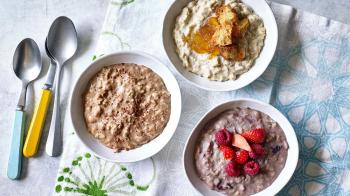
I know it isn’t that extensive, but I spent the first two weeks in hospital anyway and my parents had to bring food in every day, so it couldn’t be too elaborate! This isn’t an exhaustive list either, just what I happened to try within the initial few weeks that were okay for my digestive system. The only thing on this list which proved slightly problematic for me was the cornflakes/ milk combo. I have established that having cereals definitely makes my output looser, so now (over 3 months post-surgery) I eat porridge instead 😊. In terms of main meals, initially it was often a question of meat/ fish + carbs for a while as fruit and veg were so limited, but I went into surgery underweight, so I needed to do some gaining! Protein was also essential during this time period as it helps the body to heal, so I made sure I ate enough meat, fish, dairy and eggs! I also tried to get creative with meals like chicken fried rice, ham and cheese quiche, homemade sausage rolls, salmon fishcakes and burgers. Who said low fibre had to be bland and boring!?
Then, once I was home, I started introducing some slightly more adventurous foods. Here is what I added between weeks 4-8 after surgery (note: after 6 weeks I started slowly adding the veggies and fruits on this list).
- Pitta bread, porridge, lentil crisps
- Smoked salmon, pancetta, prawns (only a few and chewed up well!)
- Stewed apples, roasted + peeled red peppers, petits pois, spring onion (chopped within an inch of its life!), hummus
- Maple syrup, milk chocolate, dark chocolate, cocoa powder, homemade sweet and sour sauce
- Chives, fresh thyme
Again, most of these foods went down fine- it really is just a question of chewing everything to the max. I know that some people avoid peas because of fears they may get stuck, but I’ve never had a problem with them. As a general rule, I’ve found that if I can’t chew something right down to a point where I am happy to swallow, it will probably get stuck later on. So now I try to avoid a blockage at the first stage by recognising when certain foods aren’t breaking down to my satisfaction by chewing. In terms of how my output was affected by these new foods, it definitely became thicker into the second and third month after surgery- so don’t worry if you are in the early days and your output seems really loose, chances are it will get better! I will say that a couple of things on this list REALLY didn’t agree with me though… 1) Chocolate (☹- thanks to the cocoa solids it was like Niagara Falls…) and 2) Sweet and sour sauce (more like a fountain than a full on waterfall, but I’d still rather not be emptying the bag so much in such a short period of time!) I now avoid both of these (and cocoa powder) so that I am more in control of my output. And the solution: white chocolate. I know, I know. It’s not the same as its blissfully rich darker counterparts, but one has to make do…
As for weeks 8-12, that was when the real test took place: GREENS. During this time, I attempted the following foods:
- Cucumber (peeled and deseeded), green beans, broccoli (not stems), asparagus
- Tinned peach, tinned pear, tinned apricot, honeydew melon, cantaloupe, blueberries (blended in a smoothie)
- Gnocchi, spinach pasta, oat granola (no nuts or seeds!), homemade chips
- Minced turkey, prosciutto
I must say, I was pleasantly surprised by the top row. Although I wasn’t thrilled by the prospect of having to actually deseed a cucumber, they all went down okay. I just make sure that they are well cooked, I don’t eat any tough stems or skins and I chew well. Some people say that these vegetables cause their bags to fill up with air because of the gas they create, but to be honest, my bag balloons every night whether I eat them or not, so I’m sticking with them! As for the fruit, things weren’t quite so successful. Yes, I had my first blockage. Luckily not a complete obstruction, but still enough of one to freak me out! I’d eaten honeydew melon and some tinned peach together for dessert, both of which I’d successfully eaten before on several occasions, and I woke up in the early hours with a bag full of liquid and a HUGELY swollen tummy! I then spent about 2 hours trying not to pass out from dehydration while manually “massaging” the practically rock-solid melon sinew out of my stoma. Ew…. It was quite painful and definitely not how I planned to spend that night, but I now know that melon isn’t the way to go for me as I couldn’t chew it up as much as I’d liked. Luckily this is the only blockage I’ve had, and although that night and the next day were very touch and go, I managed to avoid a trip to A and E and I was eating normally again in a day or two. (If you have no output at all for 10-12 hours, your abdomen is swollen and you are being sick however, head straight for a hospital!)
Since the 12 weeks mark, I’ve only added a couple of new foods like butternut squash, tahini and avocado- all of which were fine, but I’m taking my time to experiment! I definitely learnt that for vegetables the trick is to cook them well and for fruit it’s either to do the same or use the tinned version (it’s much softer and already peeled!) It’s very strange that some dietary limitations that Crohn’s imposed on me before surgery, like very little dairy and no spice for example, still apply to me post-surgery. But others no longer apply, like the fact that before surgery the only fruits I could eat were grapes, blueberries and bananas, and I could also eat leafy greens and mushrooms. Now, I cannot digest mushrooms or greens like lettuce, or the skins or seeds in grapes and blueberries, but I can (without my damaged colon!) tolerate tinned peach, pear and apple. So, don’t assume that your diet will stay the same after a surgery like this. It’s all about experimenting and seeing what your new body can handle, and what it can’t. I have been far more confident in trying new foods (especially since I now know what to expect if I get another blockage!) and I’ve found some replacements for things that I can no longer eat.
My general advice for the post-surgery period of experimentation is as follows:
- CHEW everything to a pulp
- Only add one new food at a time
- Record the effects of what you’re eating
- If something doesn’t seem to agree with you, try it again in a few weeks to make sure (hummus didn’t seem to do me any favours the first time I tried it, but now it doesn’t affect my output at all)
- By all means read about other people’s stoma diets, but don’t take it as the gospel, everyone is different
- Consult your stoma nurse if you have any problems, they’re happy to help!
 Me and My Crohn's
Thanks for posting this! Well wishes on your recovery
LikeLike
Thank you, I hope you found it interesting!
LikeLike
Thank you for such a helpful post. I must say, we got to be very careful after stoma surgery.
LikeLike